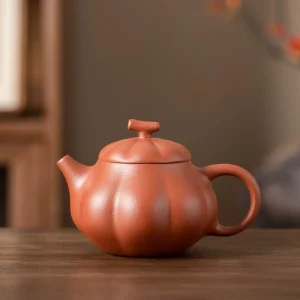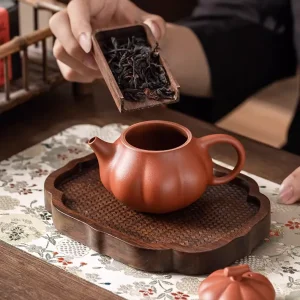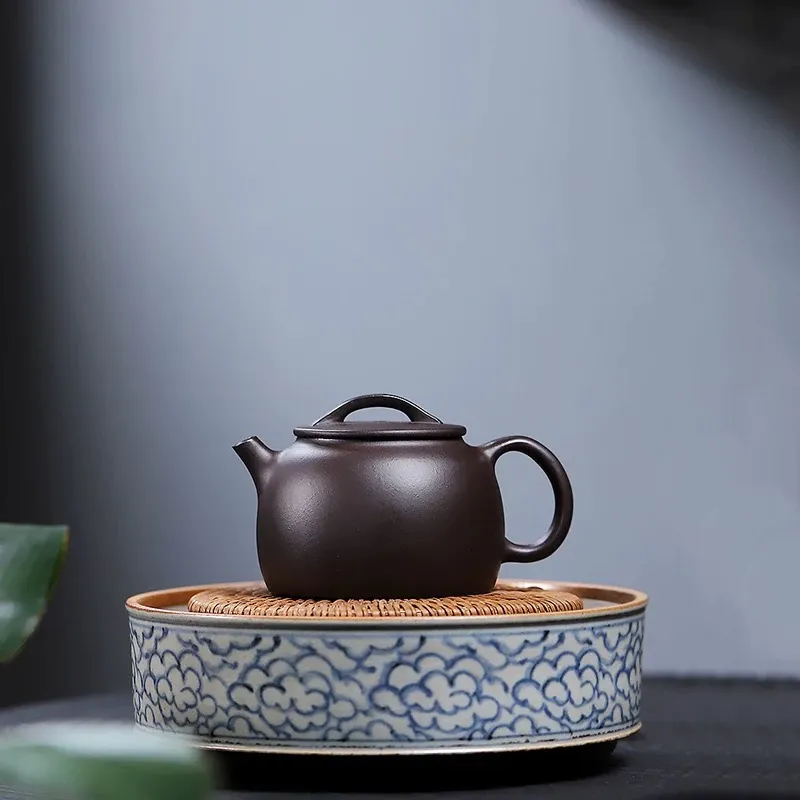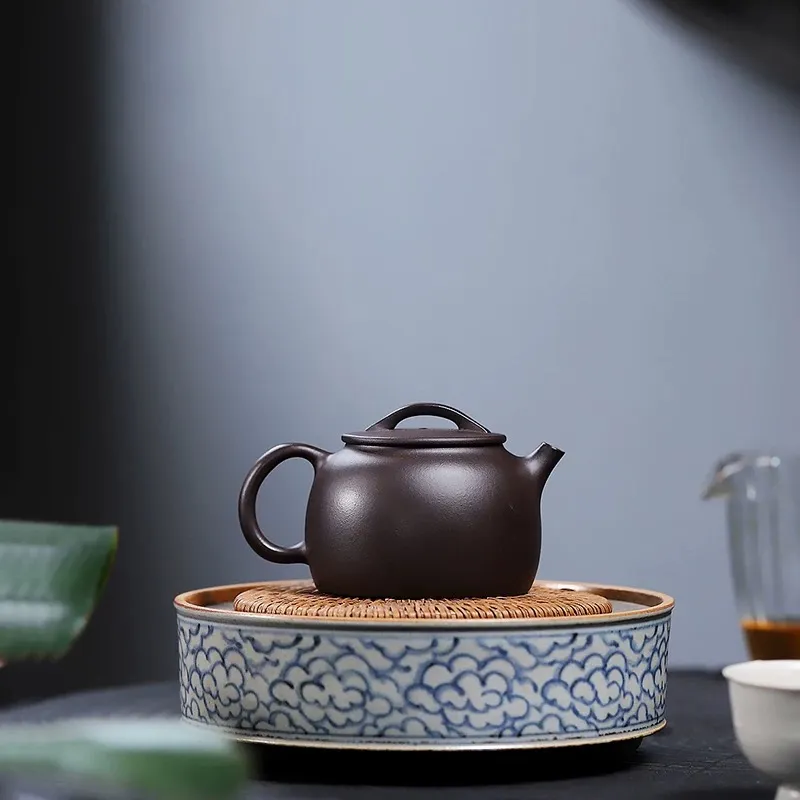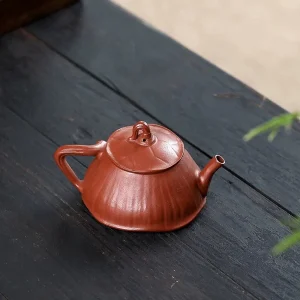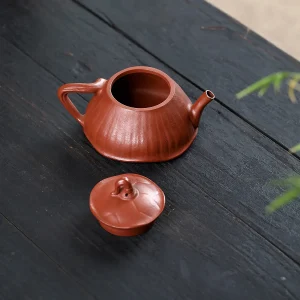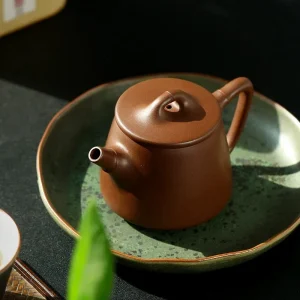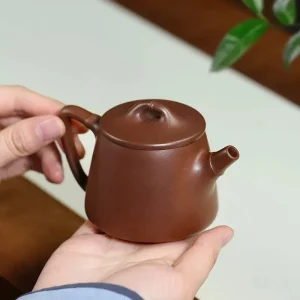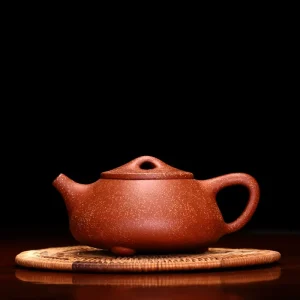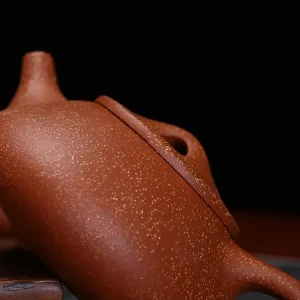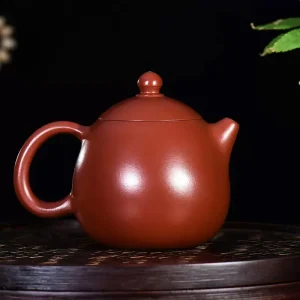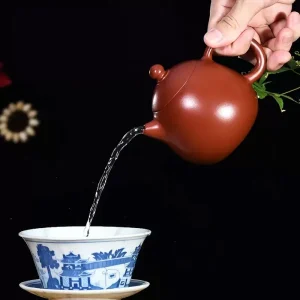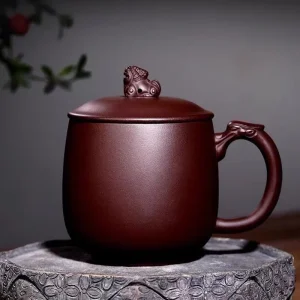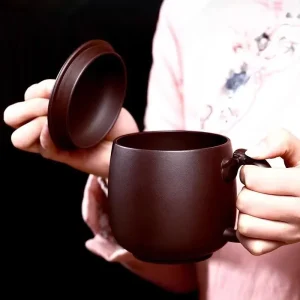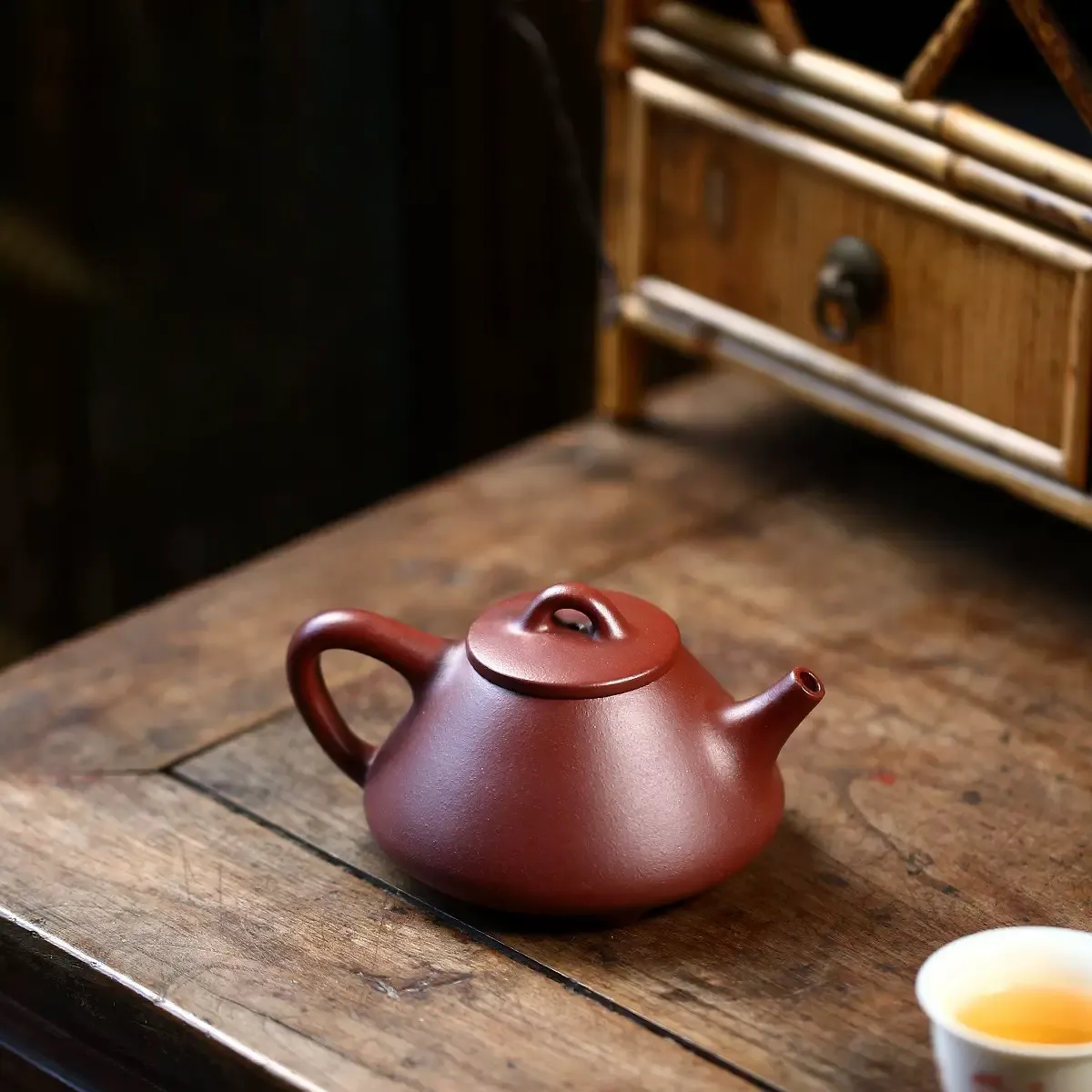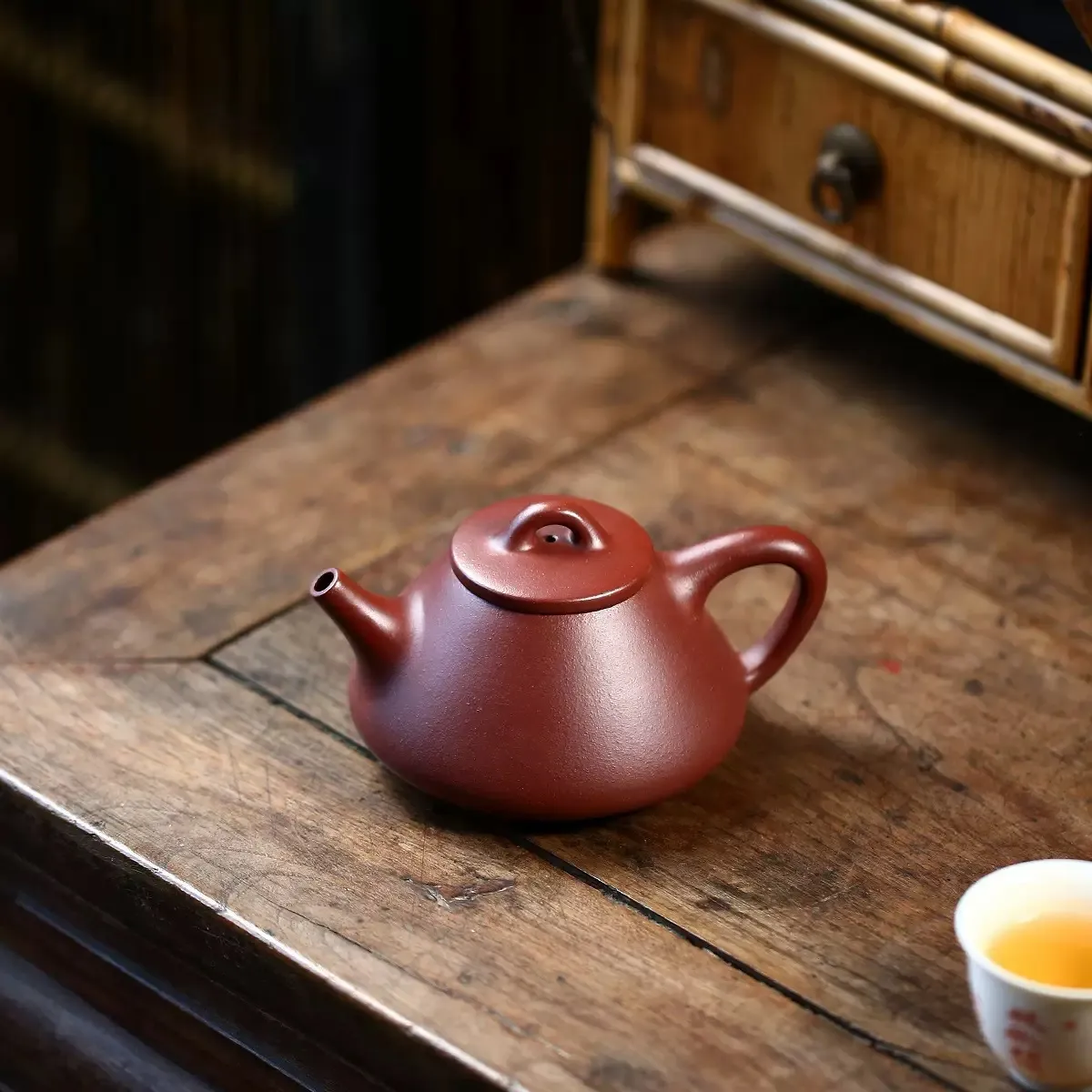

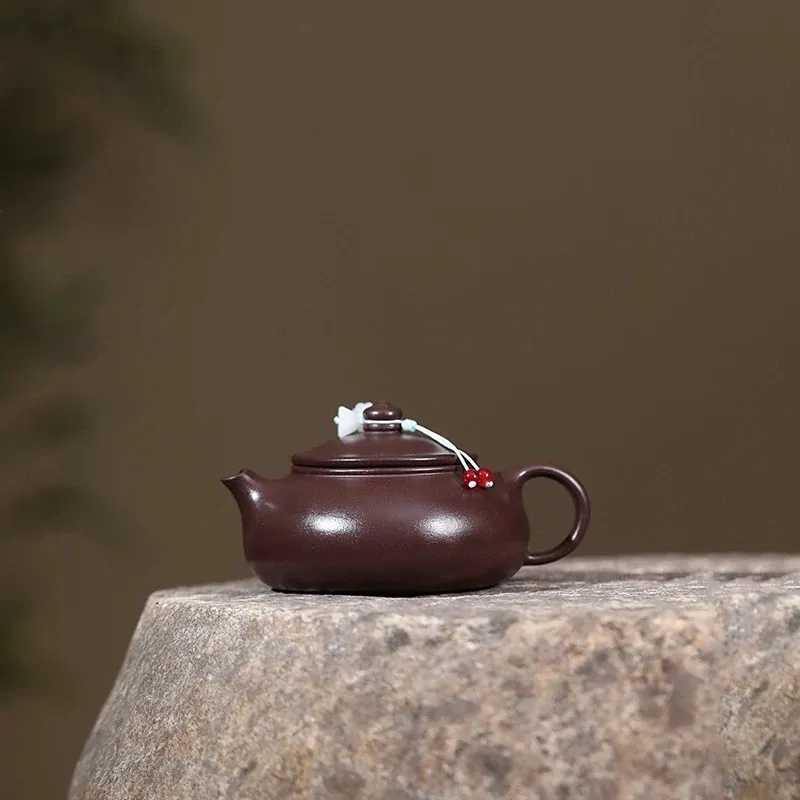
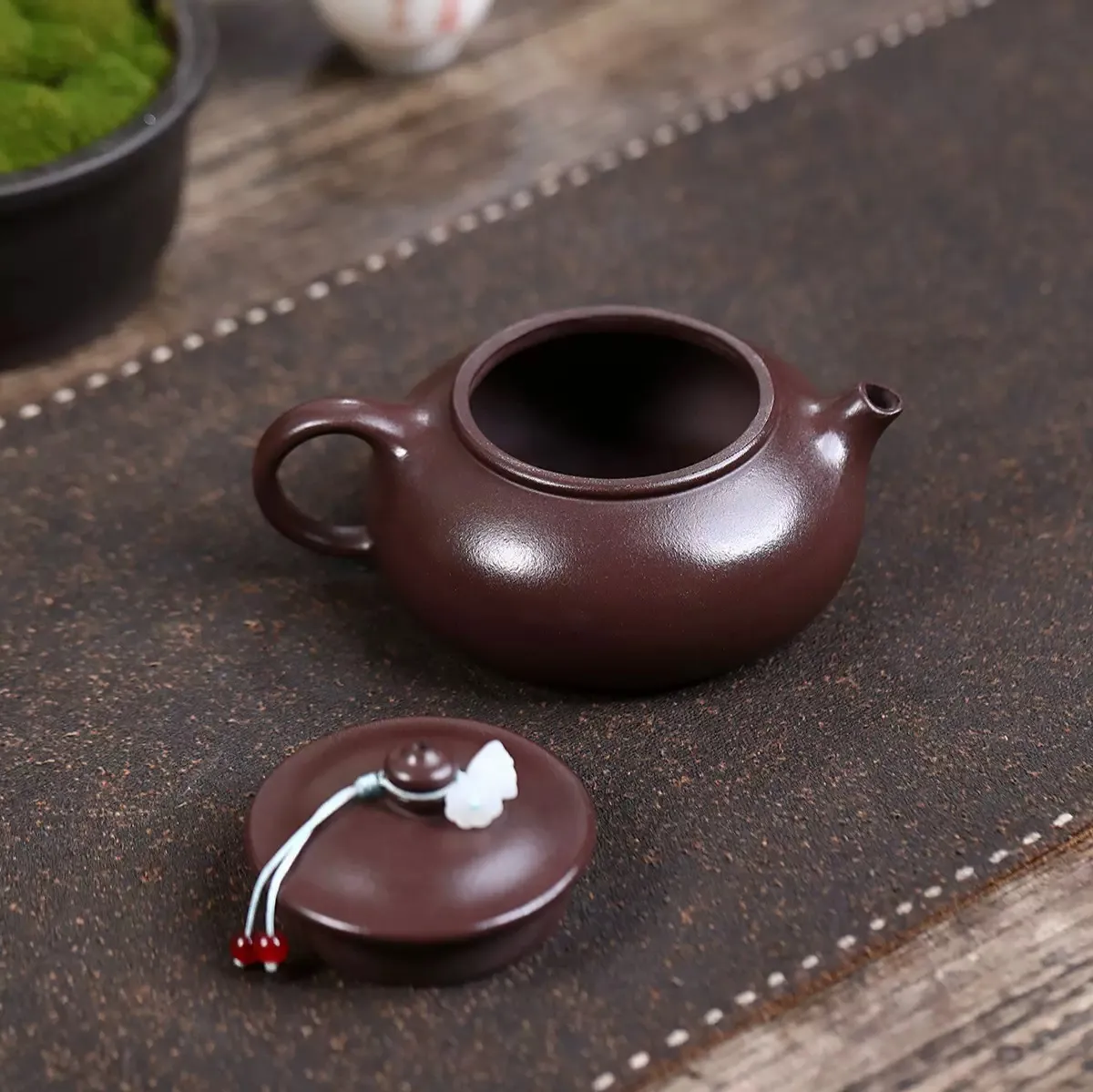
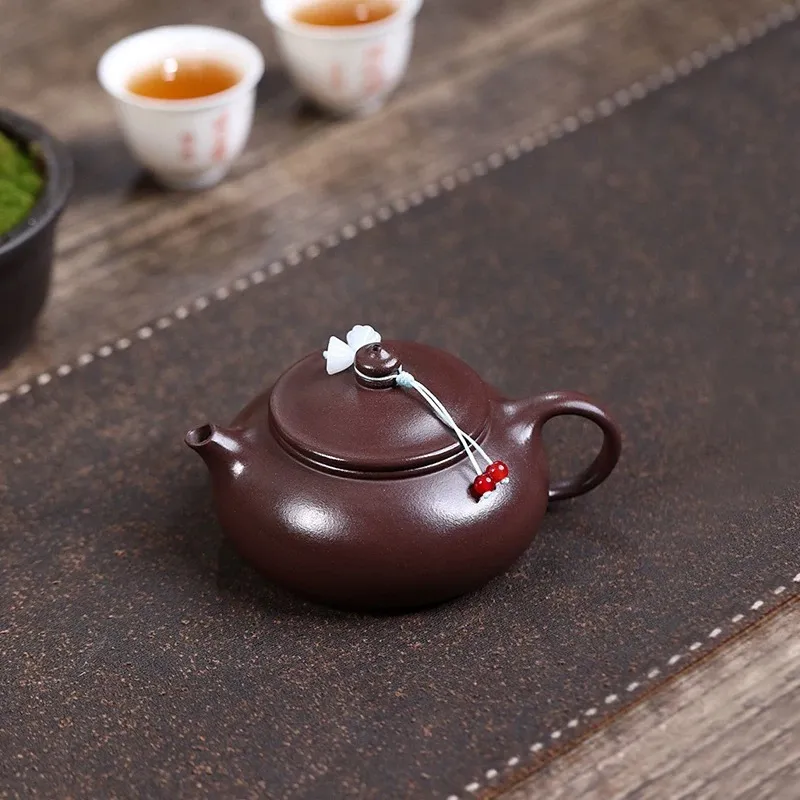
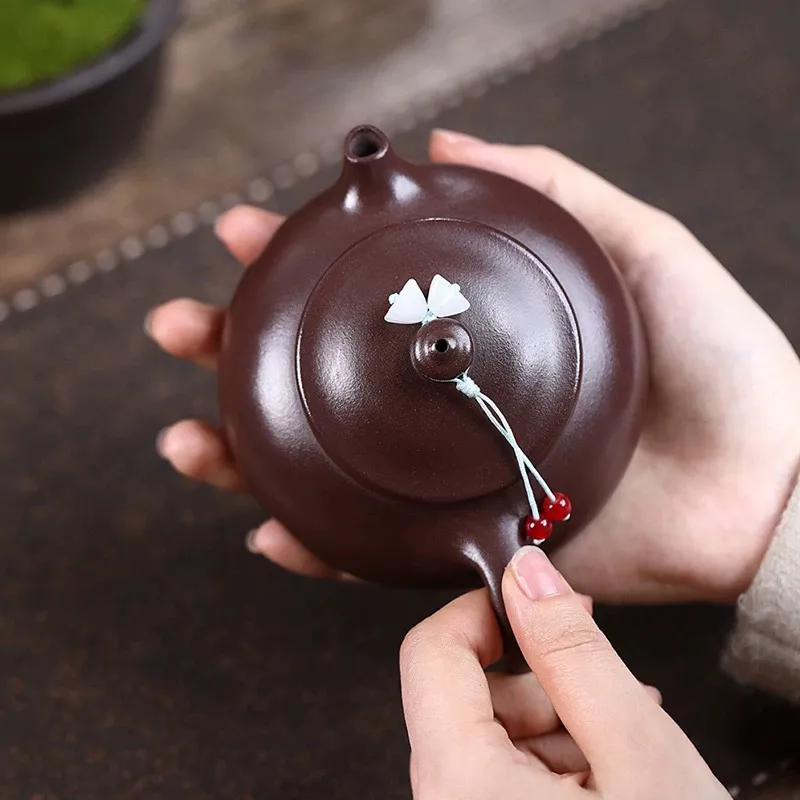
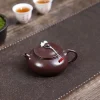
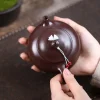
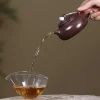
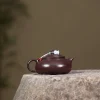
Chinese Yixing Zisha Clay Teapot 190ML
$79.90
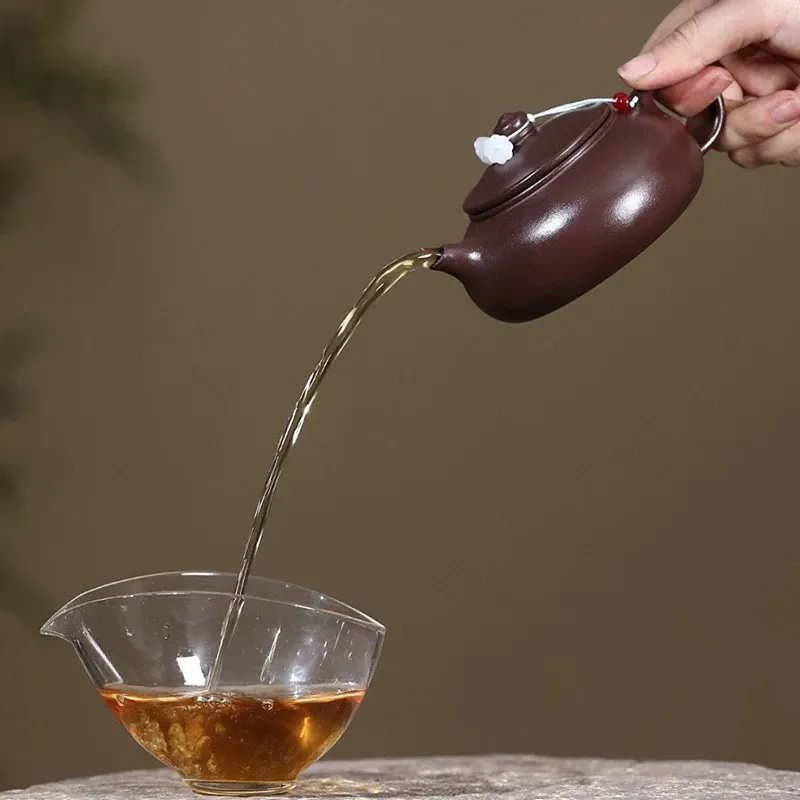
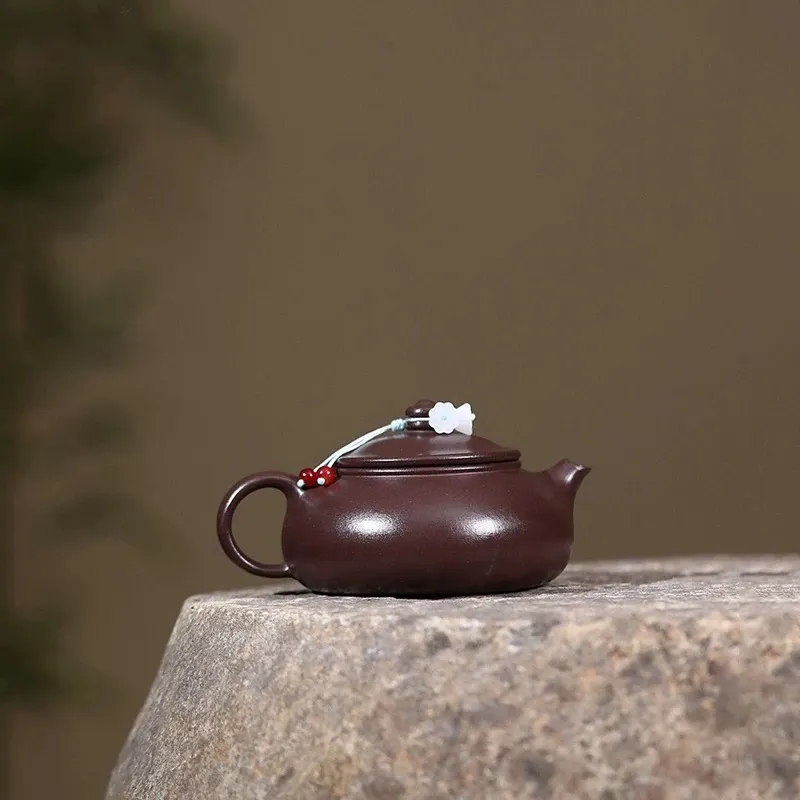
This Yixing purple clay teapot is entirely handcrafted from authentic raw ore purple clay sourced directly from Yixing. It has a capacity of 190 milliliters, making it ideal for daily tea brewing for one to two people. The distinctive dual porous structure native to Yixing purple clay teapots absorbs undesirable aftertastes and impurities from the tea infusion while locking in the full layers of tea aroma. Brewing oolong or pu-erh tea in this teapot yields a cleaner and more genuine flavor. With regular nourishment from tea infusions over an extended period, the teapot will develop a soft and glossy patina.
Introduction to Yixing and Zisha Clay
Yixing was first established in 221 BCE during the Qin Dynasty. It was originally named Yangxian and later renamed Yixing, which carries the meaning of loyalty, virtue, prosperity and good fortune. The region boasts stunning natural scenery, featuring serene bamboo forests and extraordinary water-eroded cave landscapes.
Zisha clay is a highly unique type of ceramic clay. It is a composite of kaolin, quartz and mica, and is rich in iron oxide. It has a distinctly fine, soft texture with a subtle sandy feel, which sets it apart from the smooth and sticky consistency of ordinary clays.
The processing technique for Zisha clay is highly elaborate. The raw clay is first left to dry naturally in sunlight. Once completely dry, it is ground into a fine powder, and only the smoothest, finest particles are sifted out. These selected particles are then mixed with water to create a thick, uniform clay paste. After being piled and stored, the paste undergoes vacuum treatment to completely eliminate air bubbles trapped within the material. When the clay reaches a dense and even consistency, it can be shaped into a variety of tea wares, which are then fired in a kiln at temperatures between 1100 and 1200 degrees Celsius to achieve their final form.
| Material | Yixing Raw Ore 100-Mesh Zisha Clay |
|---|---|
| Craftsmanship | Handcrafted |
| Capacity | 190 mL (6.42 fl oz) |
| Dimensions | 12.1 × 6.0 × 5.4 cm (4.76 × 2.36 × 2.13 in) |
| Origin | Yixing, China |
Related products