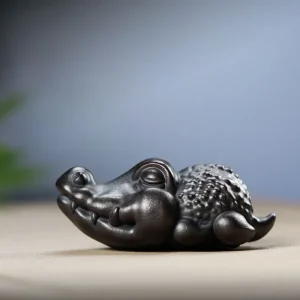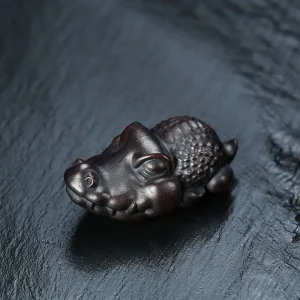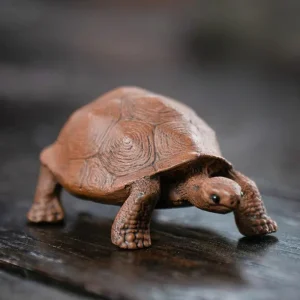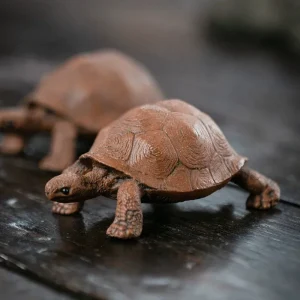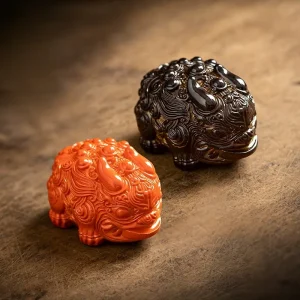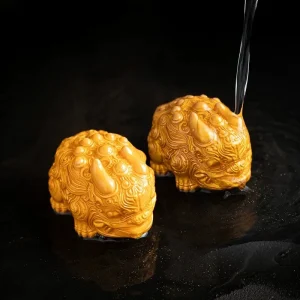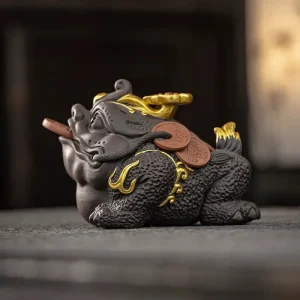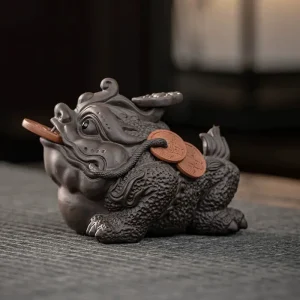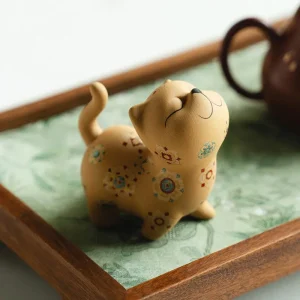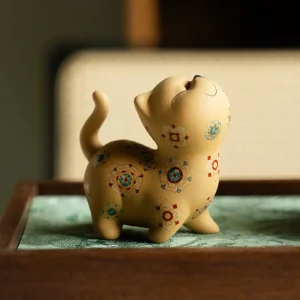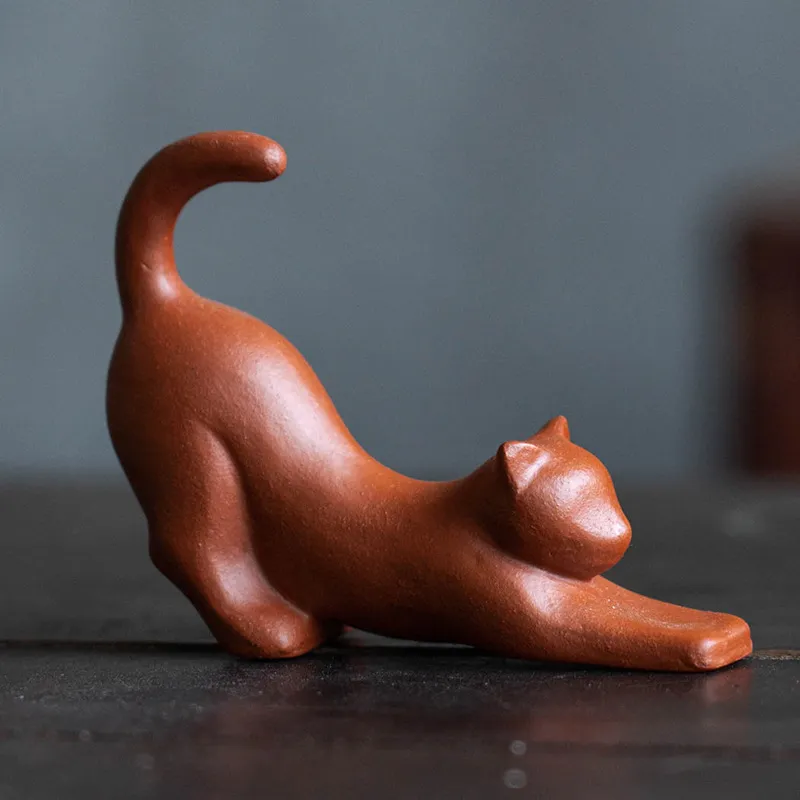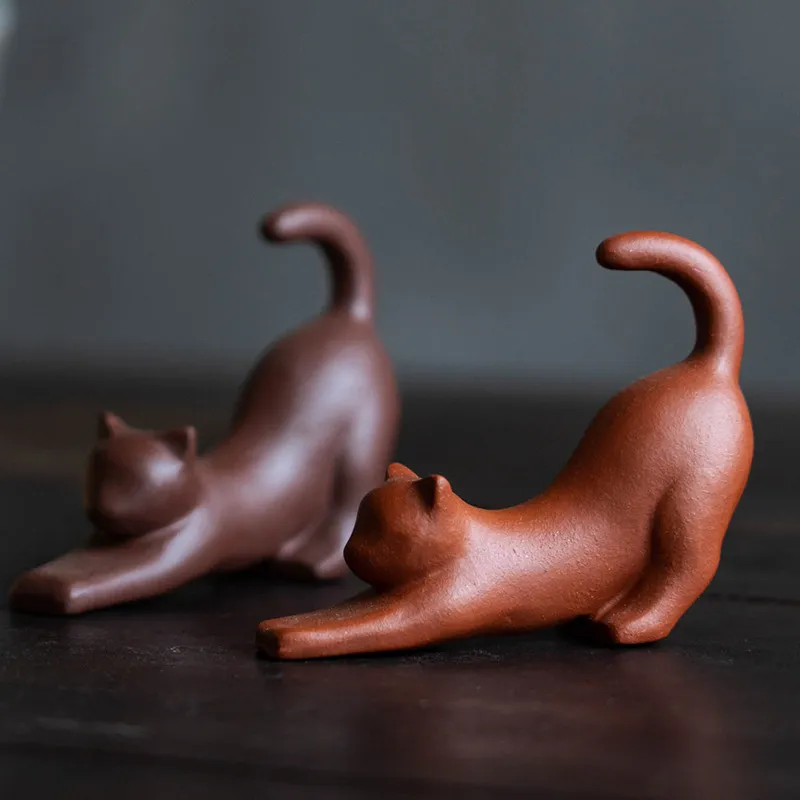

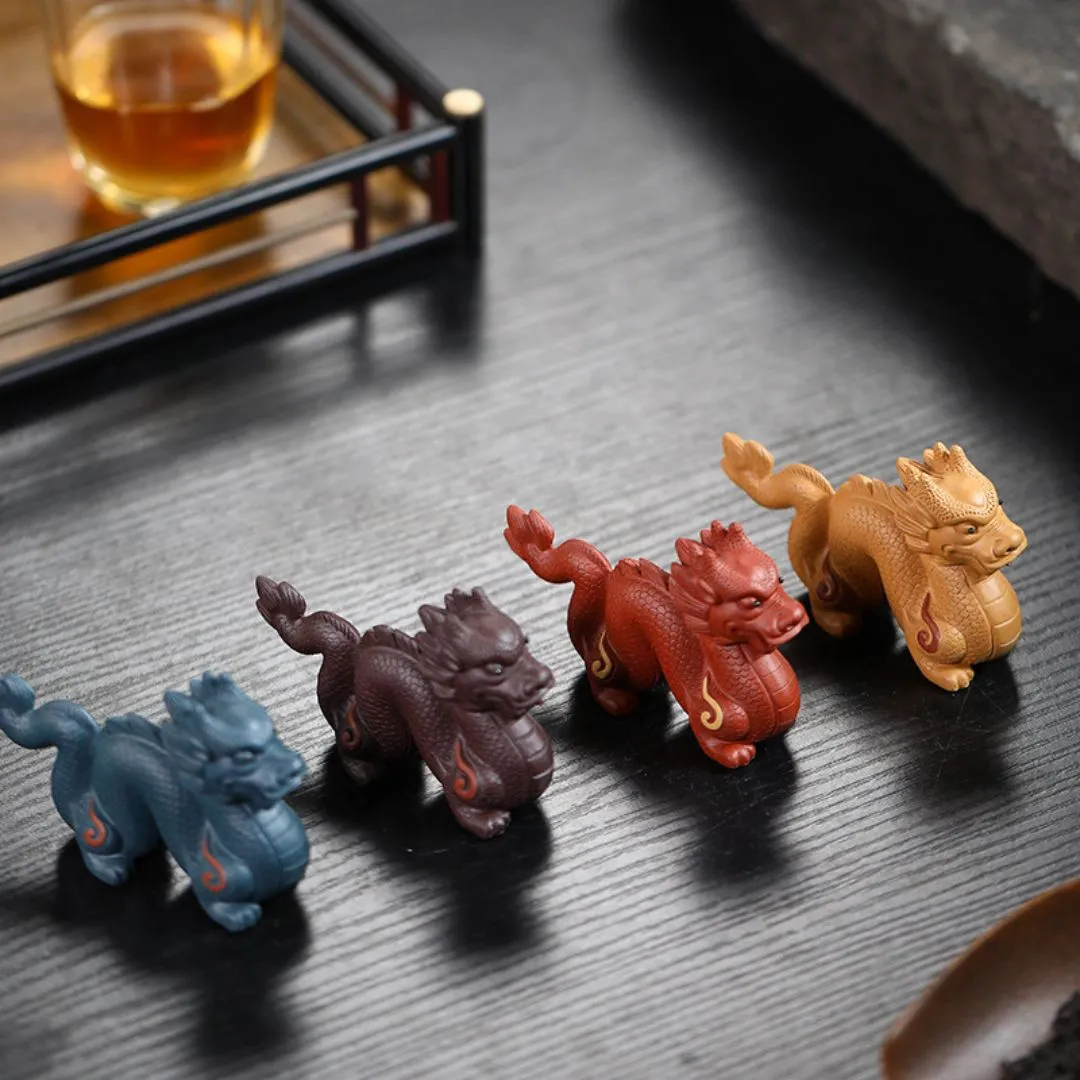
Yixing Zisha Clay Dragon Tea Pet

Tea Pet

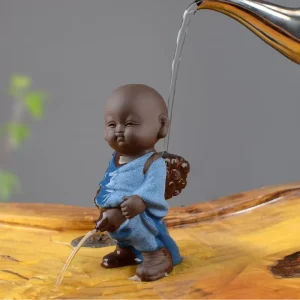
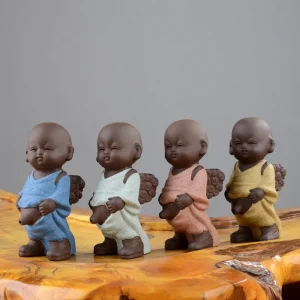
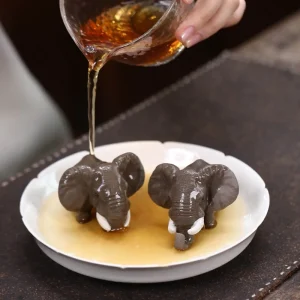
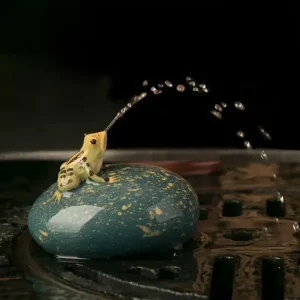
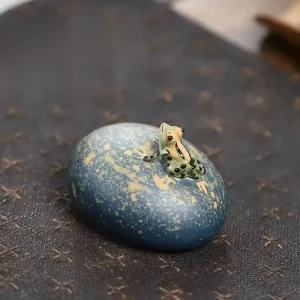
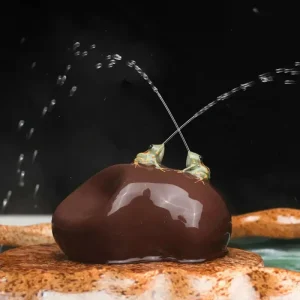
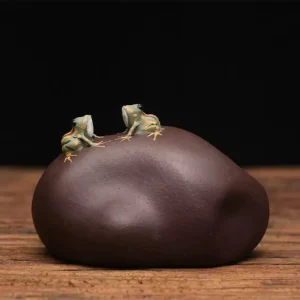
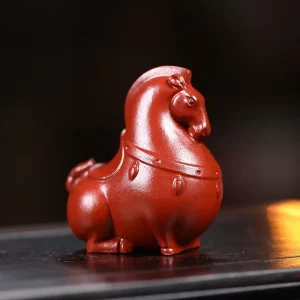
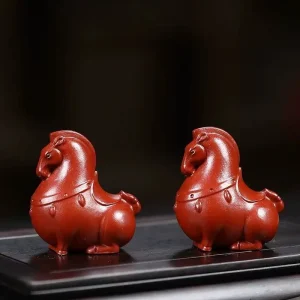
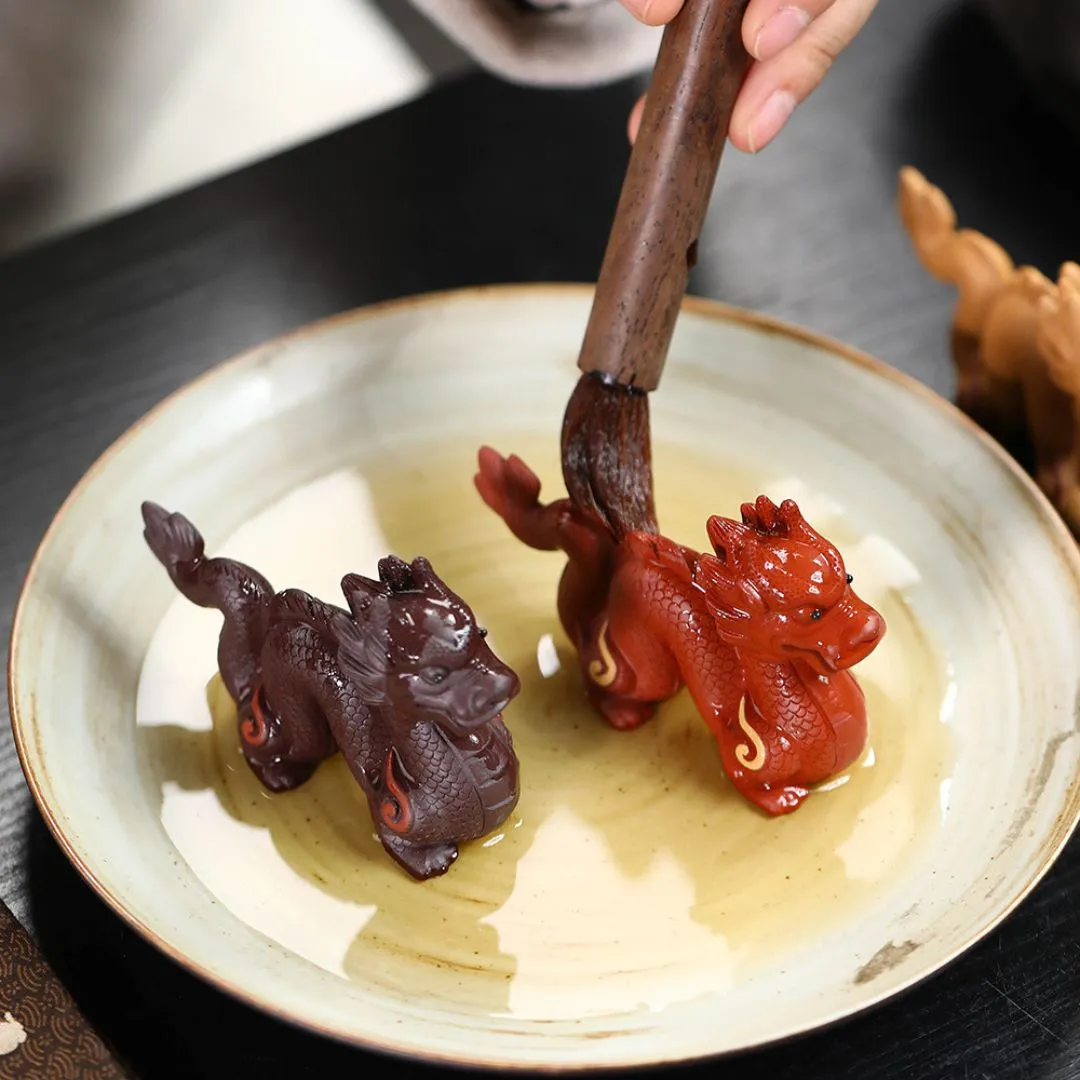
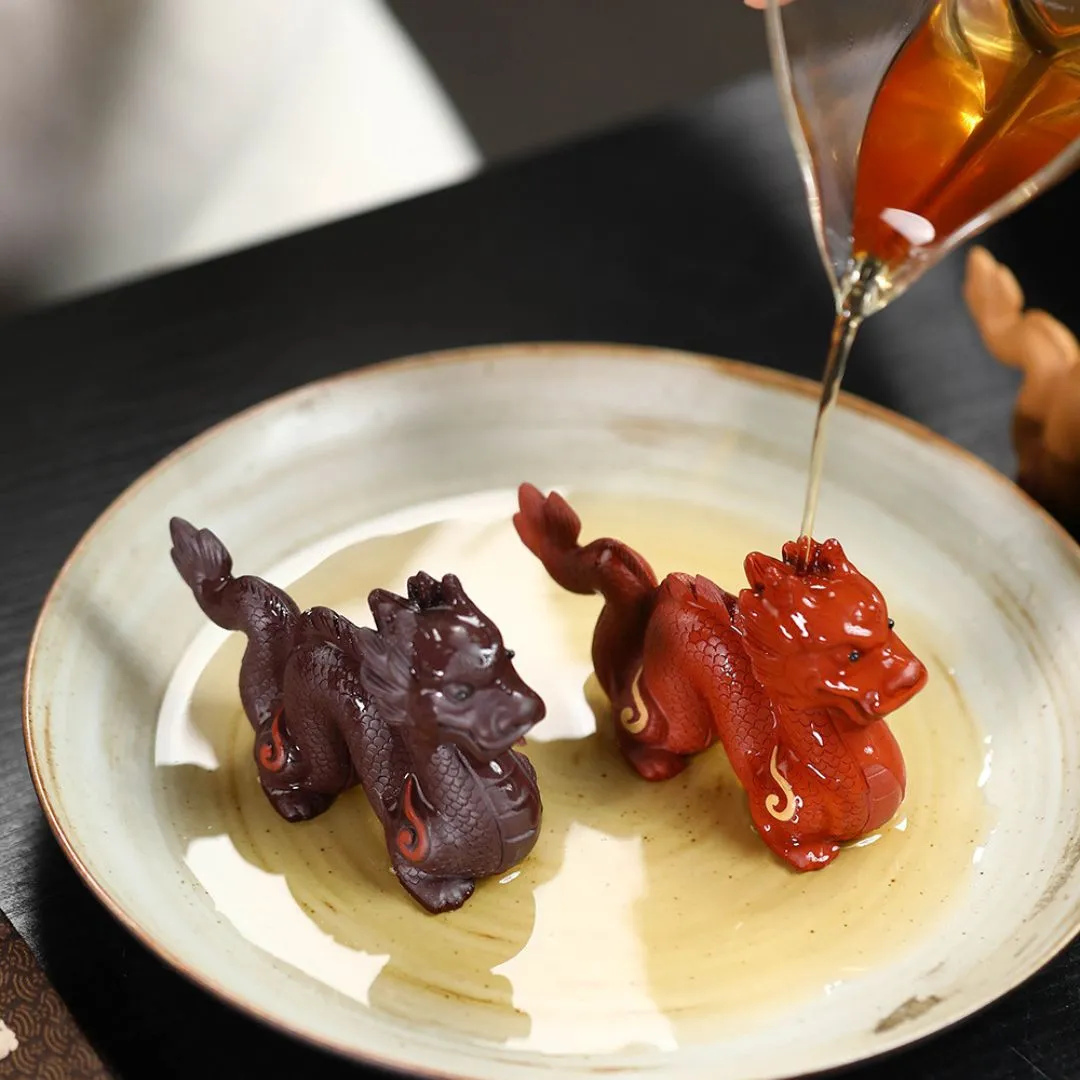
A tea pet is a small decorative ornament for tea trays or tea tables in Chinese tea culture. Most are handcrafted from Zisha clay or ceramic with vivid designs that carry rich auspicious meanings. You can nourish your tea pet by pouring warm tea over it while enjoying tea. Over time, its color will gradually darken and develop a unique, smooth patina, adding elegance and joy to your tea tasting experience.
Price range: $41.90 through $45.90
Sale!
Original price was: $29.90.Current price is: $26.90.
Price range: $28.90 through $52.90
Sale!
Original price was: $39.90.Current price is: $33.89.
Sale!
Original price was: $39.90.Current price is: $35.90.

Tea Pet FAQs

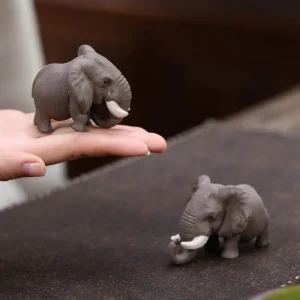
A tea pet is a small ornament for tea trays in Chinese tea culture. Most are handcrafted from zisha clay or ceramic. Common shapes include the money toad, pixiu, maitreya buddha, gourd, koi fish and elephant. You can pour warm tea over the tea pet and wipe it gently while brewing tea. After long term care, a smooth and glossy patina will form on its surface, making the texture finer and shinier. Tea pets not only decorate the tea tray and make tea tasting more enjoyable but also carry the auspicious meanings of traditional Chinese culture. They are special and charming accessories for brewing and enjoying tea.

Tea pets have a history of hundreds of years in China. They are small figurines cherished by tea lovers and are often given as gifts to friends.

Tea pets originated in the mid to late Ming Dynasty of China (1501–1600). At that time, tea drinking was popular and tea utensils became increasingly diverse. Local potters made small tea tray decorations using zisha clay, which features good breathability and easy maintenance. The earliest designs were simple natural shapes such as small turtles and lotus pods, used only as decorative items. Later, the unique practice of nourishing them with tea gradually took shape, becoming the prototype of modern tea pets.

In the Qing Dynasty (1644–1912), as tea culture spread across China, the craftsmanship and designs of tea pets became richer. Gradually, the shapes evolved from simple small animals into classic styles with auspicious meanings, including the money toad, pixiu, Maitreya Buddha, koi fish, elephant and gourd.

The core principle of caring for a tea pet is to nourish it naturally with tea and keep it away from all chemical substances. The method is simple and easy to follow, with different focuses for prepping a new tea pet and daily care.

1.New Tea Pet Preparation: Soak a new tea pet in warm water for 1 to 2 hours to soften surface dust and clay powder. Then gently wipe the surface and crevices with a clean tea brush. Drain the water and it is ready for regular use, with no extra special treatment needed.

2.Daily Care: While brewing tea, pour boiling or warm tea over the entire tea pet repeatedly. Then carefully wipe the patterns and gaps with a tea brush so the tea can fully soak into the material. There is no need to rush; let it be nourished naturally along with your daily tea brewing.

3.Cleaning and Storage: Do not clean a tea pet with chemical cleaners such as dish soap or hand soap. If tea stains build up on the surface, wipe it with warm water and a tea brush. When not in use for a long time, wipe the tea pet clean and place it in a ventilated, dry area. Avoid direct sunlight, high heat and dropping to prevent cracking.

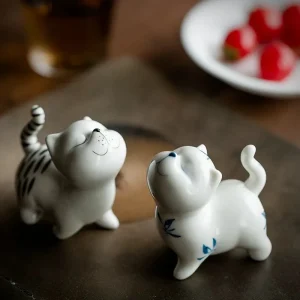
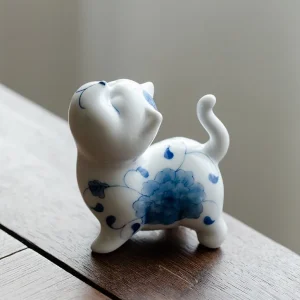
Chinese tea pets come in a wide variety of shapes, including mythical creatures, small animals, sages and Buddha statues. They symbolize good luck, wealth and other positive meanings, which is one of the main reasons tea lovers keep them.


In addition, they add fun and a sense of ritual to tea tasting. Pouring and wiping the tea pet with warm tea while brewing is a relaxing and comforting process that turns simple tea tasting into a more ceremonial experience.