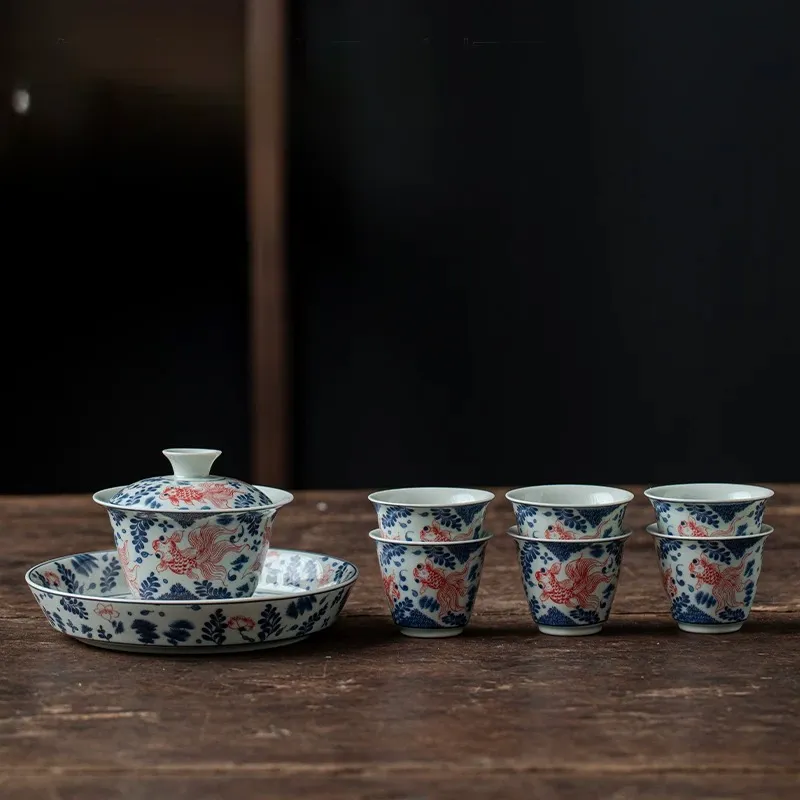
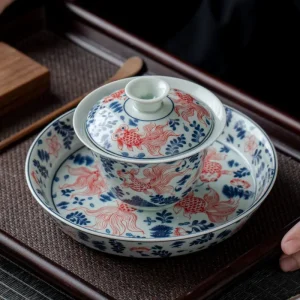
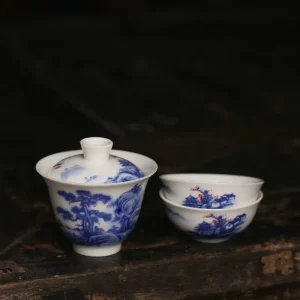
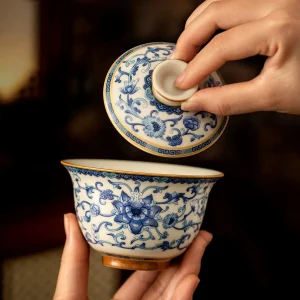
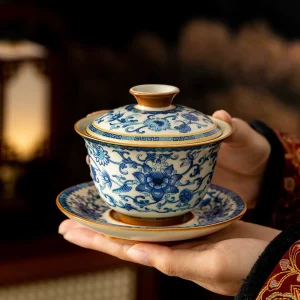
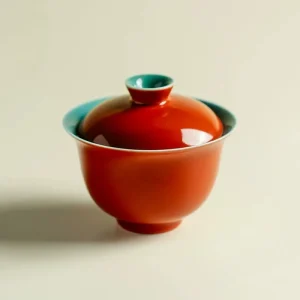
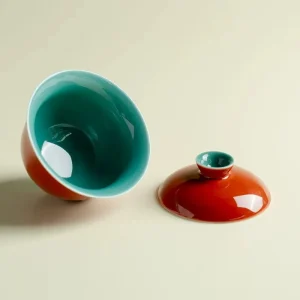
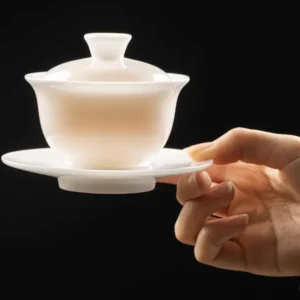
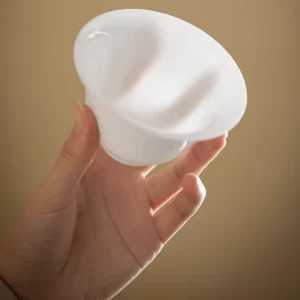
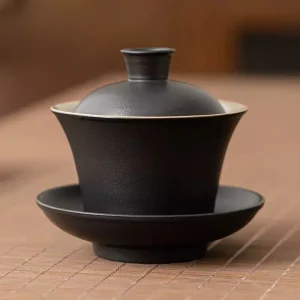
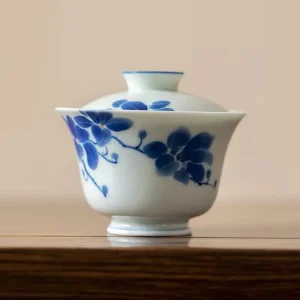
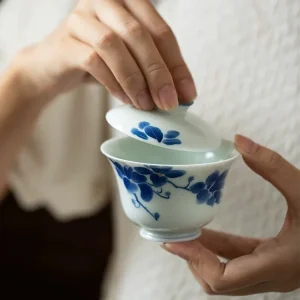
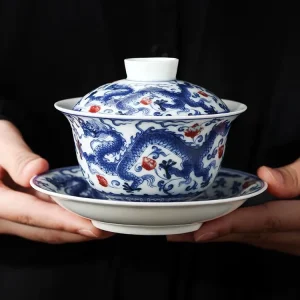
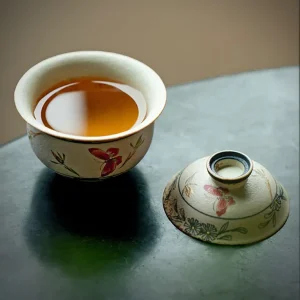
Full Antique Gaiwan Tea Set, including a gaiwan, tray, and six matching cups, the ultimate Best Gaiwan collection for tea lovers.

Gaiwan

The gaiwan is a quintessential tea vessel in Chinese tea ceremony. It brews nearly all types of tea, such as green tea, black tea, Pu Erh tea and oolong tea, and excels especially at brewing high quality loose leaf tea. The Tea Narrative Gaiwan Collection features a diverse range of gaiwan designs for you to choose from.

Gaiwan FAQs

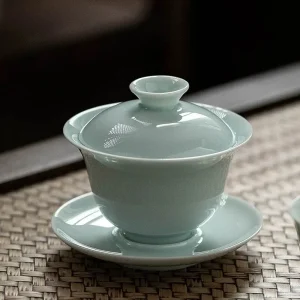
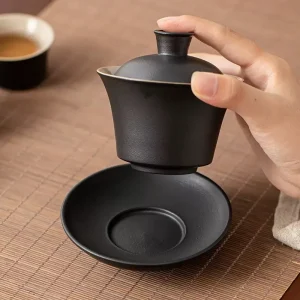
A gaiwan, also known as the Sancai bowl (meaning three talents), Sancai cup, or lidded cup, is a traditional Chinese tea vessel used for steeping loose leaf tea. It consists of three parts: the bowl body, the lid, and the saucer (also called a tea boat). Its core features are simplicity and practicality—it allows for quick tea steeping and can be used directly for drinking, with no need for an additional fairness pitcher. The gaiwan’s flexible design makes it easy to control the pouring speed and tea liquor strength, making it suitable for steeping all types of tea. It is also one of the most commonly used vessels in gongfu tea preparation.

Gaiwans are made from a variety of materials, including Yixing purple clay, glass, Jingdezhen porcelain, or jade. Each material has its own unique advantages and disadvantages.


The gaiwan originated in China during the Qing Dynasty, with its earliest records dating back to the Kangxi reign (1662–1722). It was first known as the “Sancai Bowl,” where “Sancai” refers to the three core components: the lid representing heaven, the bowl representing humanity, and the saucer representing earth. This design embodies the traditional Chinese philosophy of harmony between heaven, humanity and nature.

In its early days, the gaiwan was exclusively used for tea preparation in the imperial court and noble households. Between 1840 and 1912, it gradually spread from the elite class to the general public, becoming a standard tea-serving vessel in local teahouses. From that point on, the gaiwan gained widespread popularity and became a staple for everyday tea brewing among ordinary people. It also evolved into a wide variety of styles, featuring diverse decorative patterns and crafting materials.

A gaiwan is suitable for brewing almost all types of tea, and it works especially well for teas that require quick pouring and clear observation of the tea liquor color.

  • Oolong tea (such as Tieguanyin and Da Hong Pao): The gaiwan locks in tea aroma effectively, bringing out the rich fragrance and layered taste of the tea.
  • Pu Erh tea (raw Pu Erh and ripe Pu Erh): It helps control the steeping time easily to avoid over-steeping, restoring the original flavor of the tea.
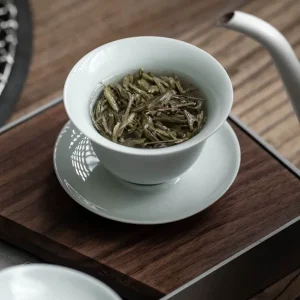
  • Green tea, white tea and yellow tea: The material of the gaiwan, especially white porcelain, does not absorb flavors. It preserves the fresh aroma of the tea and allows fast pouring to prevent the tea from turning bitter.
  • Black tea: Quick pouring reduces bitterness and highlights the sweet and mellow taste of black tea.

One important tip: When brewing finely broken tea leaves, a tea strainer is recommended to keep tea leaves out of your mouth.

For beginners, the most important points when choosing a gaiwan are comfortable grip, heat resistance and easy operation. Here are practical suggestions:

  • Material: Choose a white porcelain gaiwan first. White porcelain does not absorb tea flavors, is easy to clean, and allows you to clearly observe the color of the tea liquor, helping beginners judge the perfect time to pour the tea. Avoid thin ceramic or glass gaiwans that conduct heat too fast, as they can easily burn your hands.
  • Size: Select a medium size between 100ml and 150ml. This size offers a comfortable grip, works well for 1 to 2 people, and makes it simpler to control water addition and tea pouring.
  • Details: Look for a gaiwan with a smooth and rounded rim, a lid that fits closely to the bowl to prevent leaking, and a saucer of proper height. Avoid styles with an overly wide mouth or excessive weight, which will make the whole process much easier for new users.

There is no absolute "better" option between a gaiwan and a teapot. The choice mainly depends on your usage scenarios and personal needs. Their core differences are as follows:

  • Gaiwan: It is flexible to operate, pours tea quickly, and is easy to clean and switch between different teas. It works well for brewing all kinds of tea and is especially great for beginners to practice tea-making skills. The downside is that you need to learn the right holding method, otherwise you may easily burn your hands.
  • Teapot: It has good sealing and locks in tea aroma more effectively. It is suitable for long, slow steeping of teas such as aged Pu Erh. It feels more comfortable to hold and is less likely to burn hands, making it ideal for daily home use. The disadvantage is that it is not as easy to clean as a gaiwan. Also, teapots of certain materials such as Zisha clay absorb tea flavors, so they are not good for frequent switching between different types of tea.

Simply put, choose a gaiwan if you are a beginner or enjoy trying many kinds of tea. Choose a teapot if you usually brew one fixed type of tea and prefer convenience.

Gaiwans and Yixing Zisha teapots are the two most popular tea vessels in traditional Chinese tea preparation. Their main differences are in material, function and usage:

  • Material: Most gaiwans are made of smooth ceramics like white porcelain or celadon and do not absorb flavors. Yixing Zisha teapots are made from purple clay, which is porous and has natural breathability and flavor-absorbing properties.
  • Function: A gaiwan preserves the original taste of tea completely and works for all types of tea, while letting you clearly see the tea liquor. A Zisha teapot absorbs tea aroma. After long-term use, it can hold a light tea scent even without leaves inside. It is best for brewing one consistent type of tea such as oolong or Pu Erh, helping to create a richer, smoother flavor.
  • Maintenance: A gaiwan is easy to care for — just clean it well after each use. A Zisha teapot requires regular "seasoning." Over time, it develops a smooth patina that improves both its look and the tea flavor. It should never be washed with dish soap, only rinsed with hot water.
  • Price: Basic gaiwans are affordable and great for beginners. Yixing Zisha teapots range widely in price, and high-quality authentic ones can be quite expensive, making them more suitable for experienced tea enthusiasts.

For beginners, the key to using a gaiwan is mastering the grip and controlling how long you steep the tea. The steps are simple and easy to follow:

  1. Warm the vessel: Rinse the bowl, lid and saucer with boiling water to clean and preheat the gaiwan, which helps the tea release better aroma.
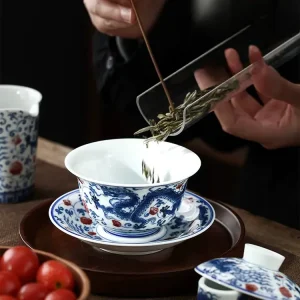
  2. Add tea leaves: Use 3 to 5 grams of tea, depending on the size of your gaiwan, and adjust to your taste.
  3. Pour water: Fill with boiling water just enough to cover the leaves. Pour out the first infusion right away — this is called rinsing the tea — to awaken the leaves and remove dust or impurities.
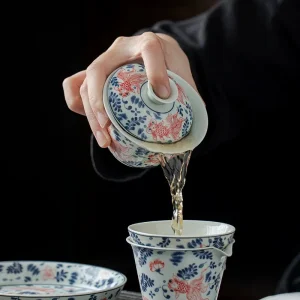
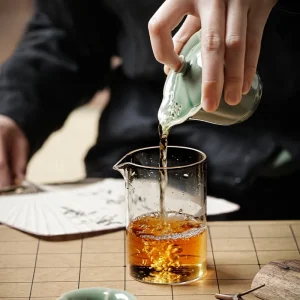
  4. Pour the tea: Refill with boiling water and cover the lid. Tilt the gaiwan slightly to leave a small gap between the lid and bowl for pouring while keeping leaves inside. Pour the tea quickly into a fair pitcher or tasting cup to avoid over-steeping, which causes bitterness.
  5. Grip method: Hold the rim gently with your thumb and index finger, and support the base with your middle finger. Avoid touching the hot bowl directly to prevent burns. Pour smoothly and quickly to avoid spilling.