

In Chinese tea culture, tea pets are indispensable small ornaments placed on tea trays. Most common tea pets are handcrafted from materials such as purple clay and ceramic. The core of maintaining a tea pet lies in the long term process of pouring tea liquor over it and wiping it regularly. Over time, the tea pet will gradually become smooth and glossy. In this article, we have sorted out the daily steps for maintaining tea pets as well as visual before and after comparison pictures of tea pet maintenance. These contents are designed to help everyone take proper care of their tea pets.
Why do tea pets change before and after nurturing?
The striking transformations of a tea pet after being nurtured with tea liquor stem primarily from the interaction between the inherent properties of the tea pet material and the components of the tea liquor. These changes are not simply superficial color shifts.
Most tea pets are crafted from porous materials such as purple clay or coarse pottery which feature fine pores throughout their structure. When tea liquor is poured over the tea pet, components like tea polyphenols, tea pigments and minerals present in the liquor are absorbed by these pores. With consistent long term nurturing, the surface of the tea pet will develop a warm and lustrous glow.
Why does patina form on tea pets?
Continuous soaking with tea liquor and gentle wiping will lead to the formation of a thin oxide film on the surface of the tea pet, commonly referred to as patina. This oxide film transforms the tea pet’s surface from dry and lackluster to smooth and textured. Its color will also evolve from pale and faint to deeper more even and translucent shades. The emergence of patina adds depth and vividness to the tea pet, which is precisely the joy of nurturing these charming little ornaments.
Daily Maintenance Process for Tea Pets
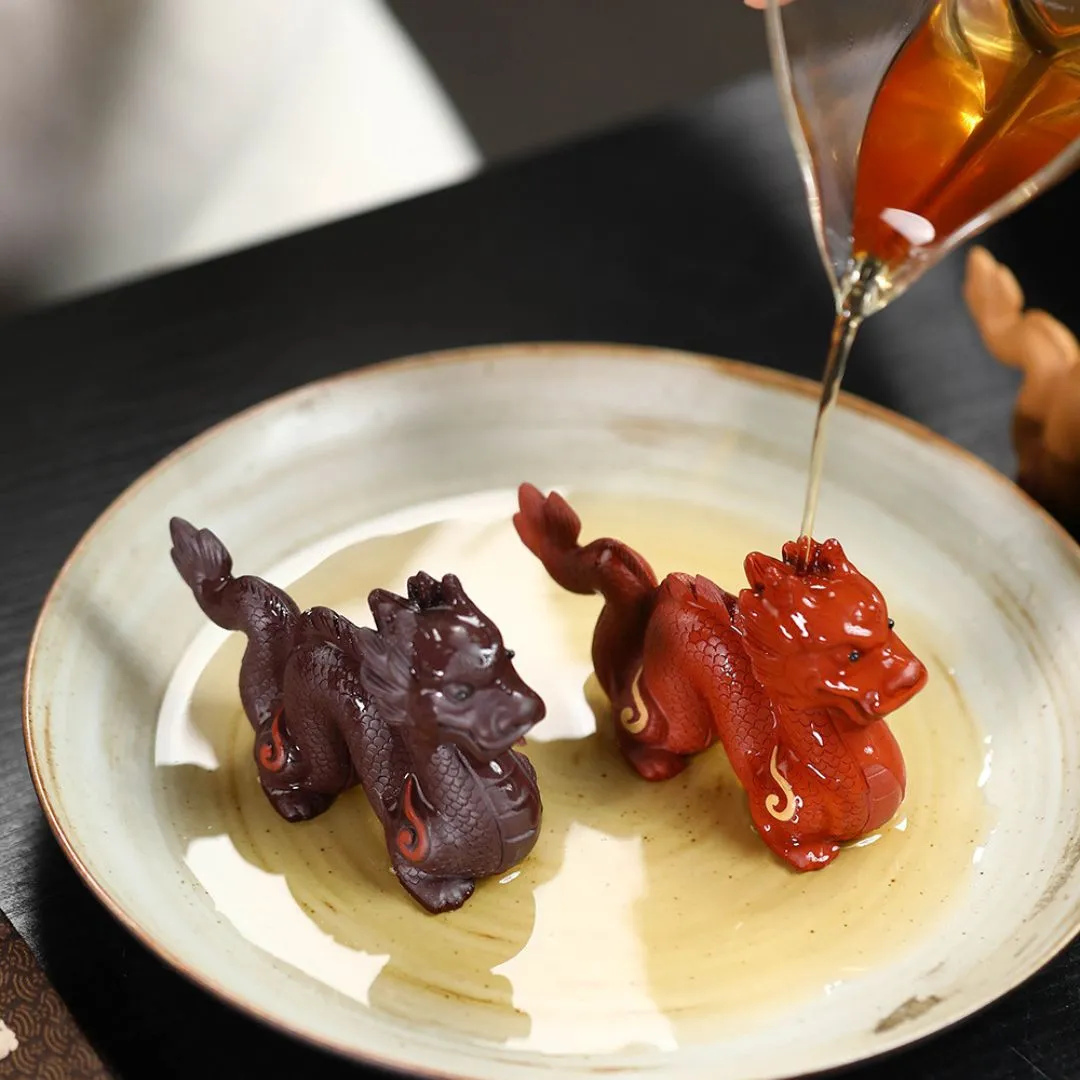
The steps for daily maintenance of tea pets are not complicated. The key lies in “regular soaking and gentle care”. Only by adhering to the correct methods can you develop an even and beautiful patina on your tea pets.
Step 1 Cleaning and Pre treatment
When you get a new tea pet, first rinse the surface dust and residual blank making powder with warm water. Then soak the tea pet in warm water for 1 to 2 hours to allow it to fully absorb water. This avoids cracking caused by thermal expansion and contraction when pouring hot tea soup over it later. After soaking, gently dry the surface water with a soft cloth and place it in a cool and well ventilated area to air dry.
Step 2 Daily Soaking and Maintenance
During daily tea tasting, evenly pour the first round of brewed tea water, commonly known as “tea rinsing water”, over the surface of the tea pet. Ensure that every part can come into contact with the tea soup to prevent uneven color caused by long term dryness in some areas. After pouring, let it stand for 5 to 10 minutes to allow the tea soup components to fully penetrate. Then gently wipe the surface with a soft tea cloth to remove residual tea dregs. This step can also help the tea soup adhere evenly to every part of the tea pet.
Step 3 Regular Maintenance and Standing
After each tea tasting session, rinse the residual tea soup on the surface of the tea pet with clean water. Dry it and place it in a well ventilated area on the tea tray to air dry naturally. Avoid prolonged soaking in water or exposure to direct sunlight. You can perform in depth maintenance once a week: soak the tea pet in tea soup for 30 minutes, take it out, dry it and let it stand, allowing the patina to precipitate slowly.
Before and After Comparison of Nurtured Tea Pets
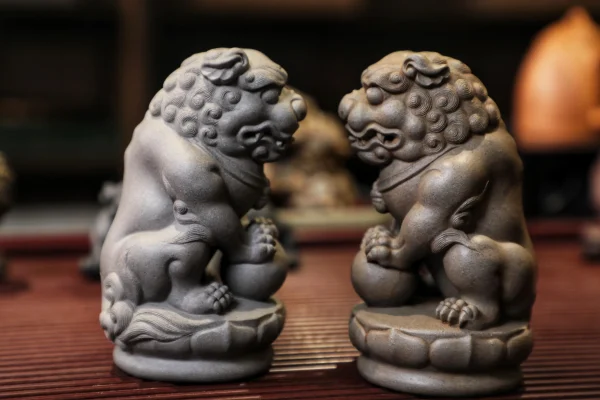
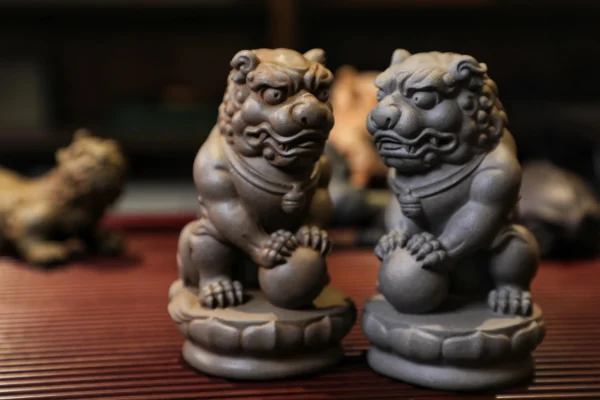
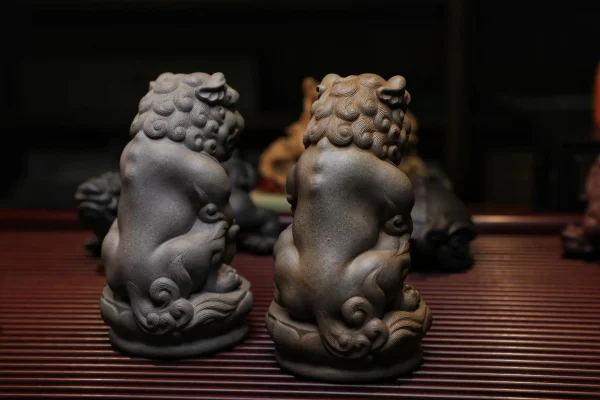
The images shown below feature a brand new tea pet and one that has been nurtured for nine months. It is clearly evident that after nine months of care, the tea pet has developed a warmer and more lustrous appearance.
How to Speed Up Patina Formation on Tea Pets?
Nurturing a tea pet is not a process to be rushed. It requires time and proper maintenance methods. However you can use a few tips to speed up the patina formation.
You can pour fully fermented teas such as ripe Pu’er tea and black tea over the tea pet. These teas have higher levels of tea polyphenols and minerals which can penetrate the material more quickly and accelerate the patina formation process.
In addition you should increase the frequency of nurturing your tea pet. Make it a habit to pour tea liquor over it and wipe it down every time you enjoy tea so that the tea pet can continuously absorb the tea components.
When wiping the tea pet use a consistent clockwise or counterclockwise direction. This helps distribute the tea liquor evenly across every part of the tea pet resulting in a more uniform patina.
Frequently Asked Questions (FAQs)
Q: Can tea pets be cleaned with detergents or similar cleaning products?
A: It is not recommended. Chemical cleaners such as detergents can leave chemical residues in the pores of the tea pet. This will not only damage the patina formed by tea liquor but also may cause unpleasant odors. If there are stubborn tea stains on the surface of the tea pet, soak it in warm water and scrub gently with a soft brush. After scrubbing, soak the tea pet in tea liquor once to repair the slightly damaged patina layer.
Q: Do different types of tea have an impact on the nurturing effect of tea pets?
A: Yes they do. Teas with high fermentation degrees such as ripe Pu’er tea and black tea can speed up the nurturing process and produce a thicker patina color. Teas with low fermentation degrees such as green tea and white tea have light tea liquor so the nurturing process is slower and the patina color is relatively fresh and light. It is recommended to stick to nurturing with one or two similar types of tea. Avoid frequent switching between different tea types which may lead to mixed colors and uneven patina.
Q: What should I do if the tea pet shows uneven color during the nurturing process?
A: This is most likely caused by the tea pet not being evenly exposed to tea liquor or not being wiped thoroughly. Later on after pouring tea liquor over the tea pet wipe it evenly with a soft cloth every time and extend the soaking time in tea liquor. If the color difference is very obvious you can also soak the tea pet in tea liquor for one hour then take it out and wipe it evenly. Keep doing this for one to two weeks and the situation will gradually improve.
Q: Why do tea pets crack?
A: This is mainly caused by thermal expansion and contraction or dryness of the material. Pouring hot tea liquor directly on a new tea pet without soaking it in warm water first long term exposure to sunlight and contact with hot water when the temperature is low in winter can all cause tea pets to crack. In daily nurturing avoid sudden temperature changes. New tea pets must be fully soaked in warm water usually for one hour. When not in use place them in a cool and well ventilated area.
Q: Can tea pets be poured with boiling water directly?
A: It is not recommended to do so. Whether it is a new tea pet or one that has been nurtured for some time pouring boiling water with excessively high temperature directly on it is very likely to cause the tea pet to crack or damage the glaze on the surface. It is recommended to use tea liquor at a temperature of 85 to 95 degrees Celsius for pouring.
Q: How long does it take to develop obvious patina on a tea pet?
A: This mainly depends on the material of the tea pet and the frequency of nurturing. Generally speaking with regular nurturing a purple clay tea pet will show obvious warm luster and slight patina in one to two months. Ceramic tea pets have dense materials so the patina formation is slower taking about three to four months. If the nurturing frequency is low the time required will be longer.
Q: Do tea pets have collection value?
A: Ordinary handcrafted tea pets are mainly for appreciation and enhancing the tea drinking experience and fun so their collection value is limited. Some tea pets made of high quality materials such as raw ore purple clay and crafted by renowned artists with unique designs have artistic and cultural value. The high quality patina formed through long term nurturing will further enhance their collection value. This mainly depends on the craftsmanship material and scarcity of the tea pet.
Q: What should I do if my tea pet gets moldy?
A: First judge the degree of mold. For mild mold soak the tea pet in warm water for 30 minutes then remove the mold spots with a soft brush. Pour tea liquor over it repeatedly and wipe it clean then place it in a well ventilated area to dry. Increase the nurturing frequency afterwards. If the mold is severe and the moldy smell has penetrated into the pores soak the tea pet in weak tea liquor with a ratio of tea liquor to warm water being 1 to 3 for one hour. Scrub it clean and dry it thoroughly. If the unpleasant odor still remains it is recommended to replace it with a new tea pet.

推荐产品
Yixing Zisha Zhuni Clay Teapot Set,1 Teapot and 2 Teacups
Large Airtight Yixing Purple Clay Tea Caddy
Yixing Zisha Clay Round Cap Xishi Teapot 90ML & 180ML
Chinese Yixing Zisha Clay Teapot 190ML
120ML Pear Shaped Chinese Yixing Purple Clay Teapot
Yixing Raw Ore Purple Clay Pottery Zhuni Lotus Teapot 140ML
$269.00Original price was: $269.00.$239.00Current price is: $239.00.Yixing Purple Clay Sheep Tea Pet Ornament
$43.90Original price was: $43.90.$37.90Current price is: $37.90.Yixing Raw Ore Purple Clay Insulated Travel Mug Tumbler
$129.90Original price was: $129.90.$109.90Current price is: $109.90.Yixing Golden Duan Purple Clay Cat Tea Pet Ornament
$39.90Original price was: $39.90.$35.90Current price is: $35.90.Handmade Yixing Clay Eggplant Gourd Teapot Gongfu Tea Set
Handmade Zhuni Clay Dragon Egg Yixing Teapot
$109.90Original price was: $109.90.$99.90Current price is: $99.90.Handmade Zhuni Clay Small Chinese Yixing Teapot
$169.00Original price was: $169.00.$149.00Current price is: $149.00.