
Chinese Ceramic Tea Pot, Kung Fu Tea Set

Tea Pots

A perfect teapot can completely transform your tea drinking experience. Find the one that fits your personal brewing style from our exclusive collection of handcrafted premium pieces. We’ve handpicked a selection of the finest loose leaf teapots to share with you.

More Gong Fu Tea Ware Recommendations: GaiwanYixing Teapot

Tea Pots FAQs

There are 3 main mainstream material categories for traditional Chinese teapots, each with unique benefits for tea brewing.

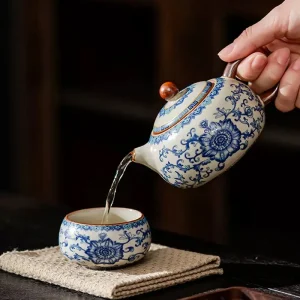
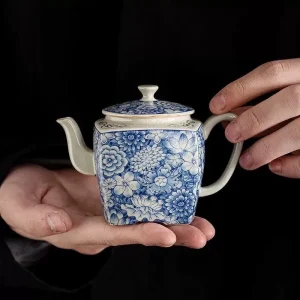
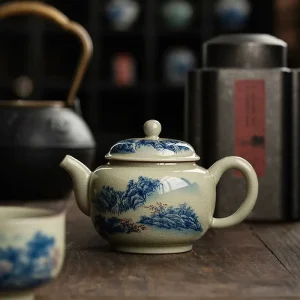
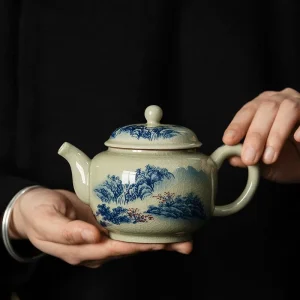
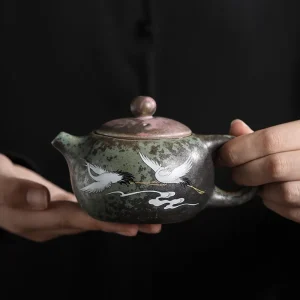
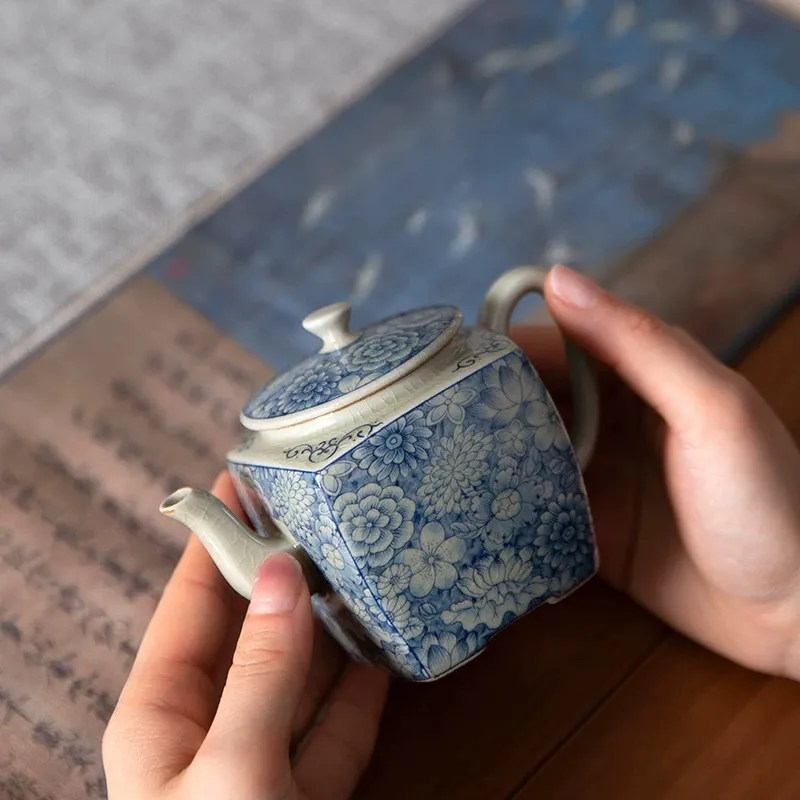
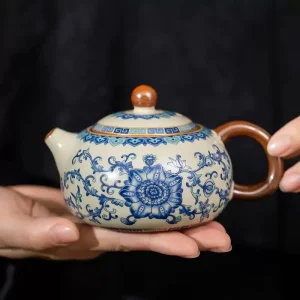
  • Ceramic: Includes classic styles such as Ru kiln ware, suet jade porcelain, and blue and white porcelain. It features a dense, stable glaze, making it the most popular mainstream material for Chinese teapots.
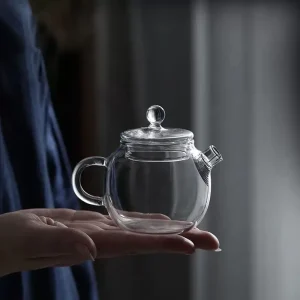
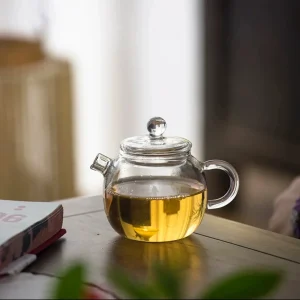
  • High Borosilicate Heat Resistant Glass: Boasts excellent thermal shock resistance, and allows you to visually observe the unfurling of tea leaves and the color of the tea liquor in real time.
  • Authentic Raw Ore Yixing Zisha Clay: Features a unique microporous structure, ideal for brewing rich, full bodied teas. It enhances and locks in the tea’s aroma and layered flavor notes with every brew.

For beginners shopping for a Chinese teapot, there is no need to chase intricate craftsmanship or high priced collectible pieces. You can easily find the perfect fit by following these simple guidelines.

Choose the material and capacity based on the type of tea you brew most often and the number of people you typically serve. For solo drinking, prioritize a 100 to 150ml size; for sharing with 2 to 3 people, a 150 to 200ml teapot is recommended, both aligning with the core Gongfu tea principle of quick infusion and immediate decanting. For new users, ceramic or glass models with a built in strainer and well designed heat insulation are the top recommendations, as they have a low learning curve and are easy to clean.

Different teapot materials shape the aroma and taste of your tea in unique ways. Choosing the right material will maximize the authentic flavor of your tea leaves.

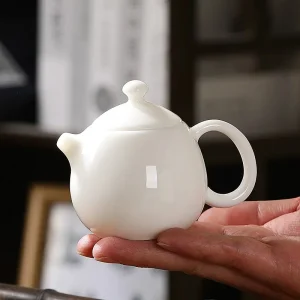
Ceramic teapots have the widest versatility. White porcelain and Ru kiln models accurately preserve the true flavor of the tea liquor, making them suitable for the vast majority of tea types, including black tea, oolong, and scented tea.

High Borosilicate Glass teapots do not absorb tea aromas, making them the perfect match for lightly oxidized teas such as green tea, white tea, and yellow tea. They also work excellently for cold brewing, and let you watch the tea leaves unfurl as they steep.

Authentic Raw Ore Yixing Zisha teapots have excellent breathability, locking in aroma and mellowing the tea’s mouthfeel. They are particularly ideal for heavily oxidized, high aroma teas such as pu-erh, aged white tea, and rock oolong.

The core differences between the two lie primarily in their intended brewing methods and usage scenarios.

Chinese Gongfu teapots are predominantly compact, with a capacity of 100–200ml (3.4–6.8 fl oz). They are purpose built for the Gongfu tea brewing method, which centers on quick infusion, immediate decanting, and staged extraction. These teapots prioritize smooth, unobstructed pouring and a vessel design that elevates the flavor profile of the tea liquor, blending practical functionality with the rich cultural heritage of Chinese tea culture.

Western teapots are almost always large capacity vessels, typically 300ml (10.1 fl oz) and above. They are designed for long, extended steeping, with a large aperture strainer for simple, hassle free infusion, built to meet the demand for casual, high volume daily tea brewing.

When brewing tea with a Chinese Gongfu teapot, you should follow the core principle of quick infusion and immediate decanting, which works for nearly all types of Chinese loose leaf tea.

Step 1: Warm the teapot. Rinse the inside and outside of the teapot with boiling water to fully preheat the body. This prevents a sudden drop in water temperature that would compromise the tea’s flavor.

Step 2: Add the tea leaves. Use a standard tea to water ratio of 1:15, a foolproof guideline for beginners to get a balanced flavor.

Step 3: Rinse the leaves. Pour in boiling water to just cover the tea leaves, then pour out the water immediately. This wakes up the tea leaves’ inner compounds and unlocks their aroma.

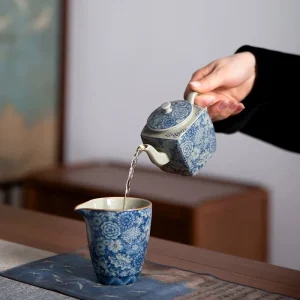
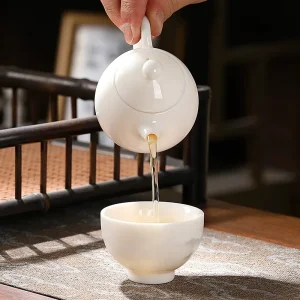
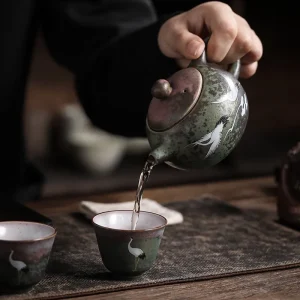
Step 4: Official brewing. Fill the teapot with boiling water, then control the steep time between 5 and 30 seconds depending on the type of tea. Decant the tea liquor quickly, then pour into tasting cups to enjoy.

Absolutely! We partner with premium, reputable tea ware studios across China, and all of our ceramic teapots are handcrafted by master artisans with decades of experience. Every step of the process, from wheel throwing and trimming, to hand painting, glazing, and firing, is completed entirely by hand by our skilled ceramic artists.

The core differences between high fired and low fired ceramic teapots lie in their firing process, safety performance, durability, and overall user experience.

High fired ceramic teapots are fired at a minimum temperature of 1200°C (2192°F). The body and glaze are fully vitrified, with a dense, non porous structure. This eliminates the risk of harmful substance leaching, provides excellent resistance to acid and alkali corrosion, and fully complies with international food contact safety standards. They also have high hardness, are resistant to scratches and cracking, do not absorb tea aromas, and are easy to clean.

Low fired ceramic teapots are typically fired at 700 to 1000°C (1292 to 1832°F). Their glaze has poor stability, with a risk of harmful substance leaching with long term use. They are also prone to scratching and tea flavor absorption, with a much shorter service life and inferior user experience compared to high fired ceramic.