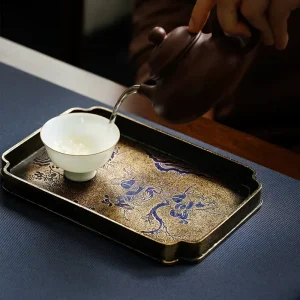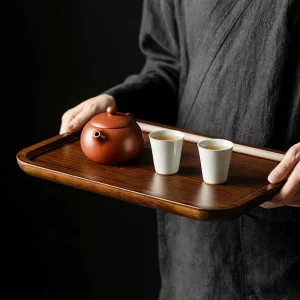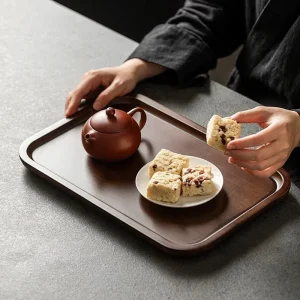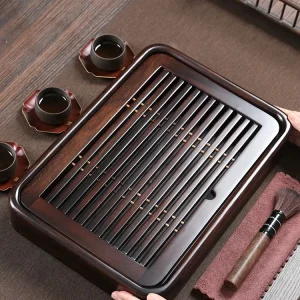

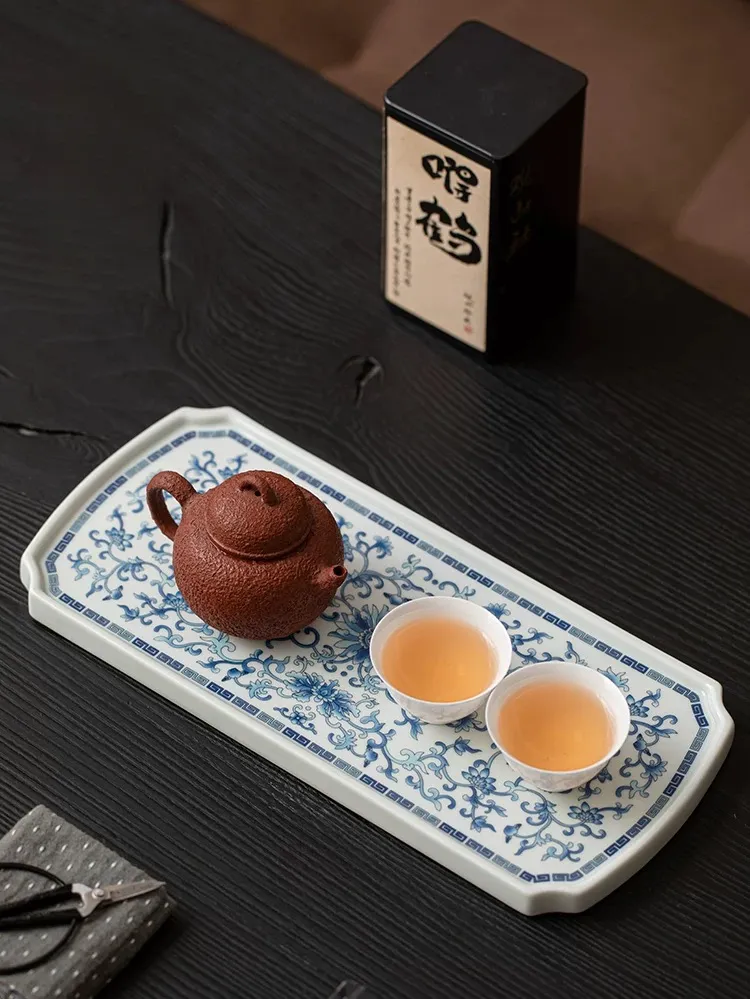
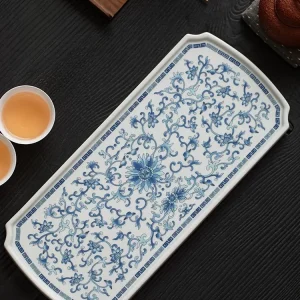
Ceramic Tea Tray, Blue and White Porcelain Tea Tray

Tea Trays

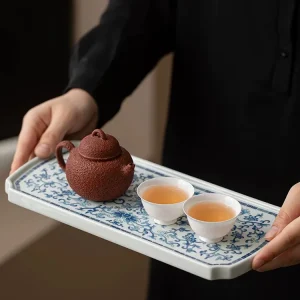
An elegant tea tray elevates your entire Gong Fu tea ceremony experience. We carry tea trays in a variety of shapes, materials, and designs to fit every aesthetic and use case. Whether for daily personal use, refined hosting for guests, or a thoughtful gift for the tea lover in your life, our tea trays turn every moment of brewing into a more refined, intentional ritual.
Gaiwan FAQs

Tea trays are mainly classified by function and core material to fit different tea-drinking scenarios. By function, there are three main types:

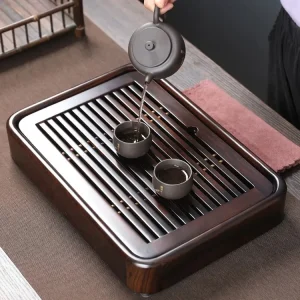
1.Water-storage Gongfu tea tray: It has a sealed built-in water tank that collects waste water from Gongfu tea brewing, so you do not need to empty it frequently.

2.Dry-brew tea tray: A classic minimalist and convenient style among Chinese tea trays. It holds a small amount of waste water produced during brewing, and is suitable for solo or 2–3 person simple Gongfu tea sessions, office tea drinking, and small household spaces.

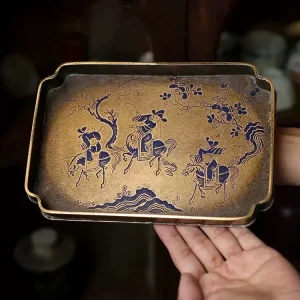
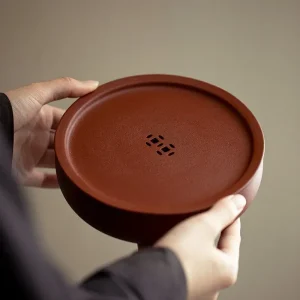
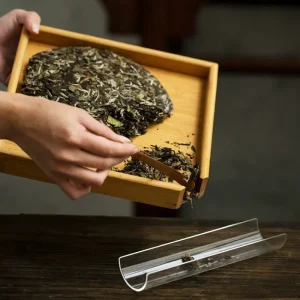
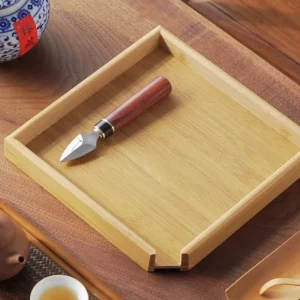
3.Tea-breaking tray: This tray is specially designed for splitting tea cakes and tea bricks to prevent crumbs from scattering. It is available in many materials, with bamboo, solid wood, ceramic, Zisha clay and brass being the mainstream options, each with a unique texture and performance.

A Chinese Gongfu tea tray is a very important utensil in the Gongfu tea brewing process. It has two core functions:

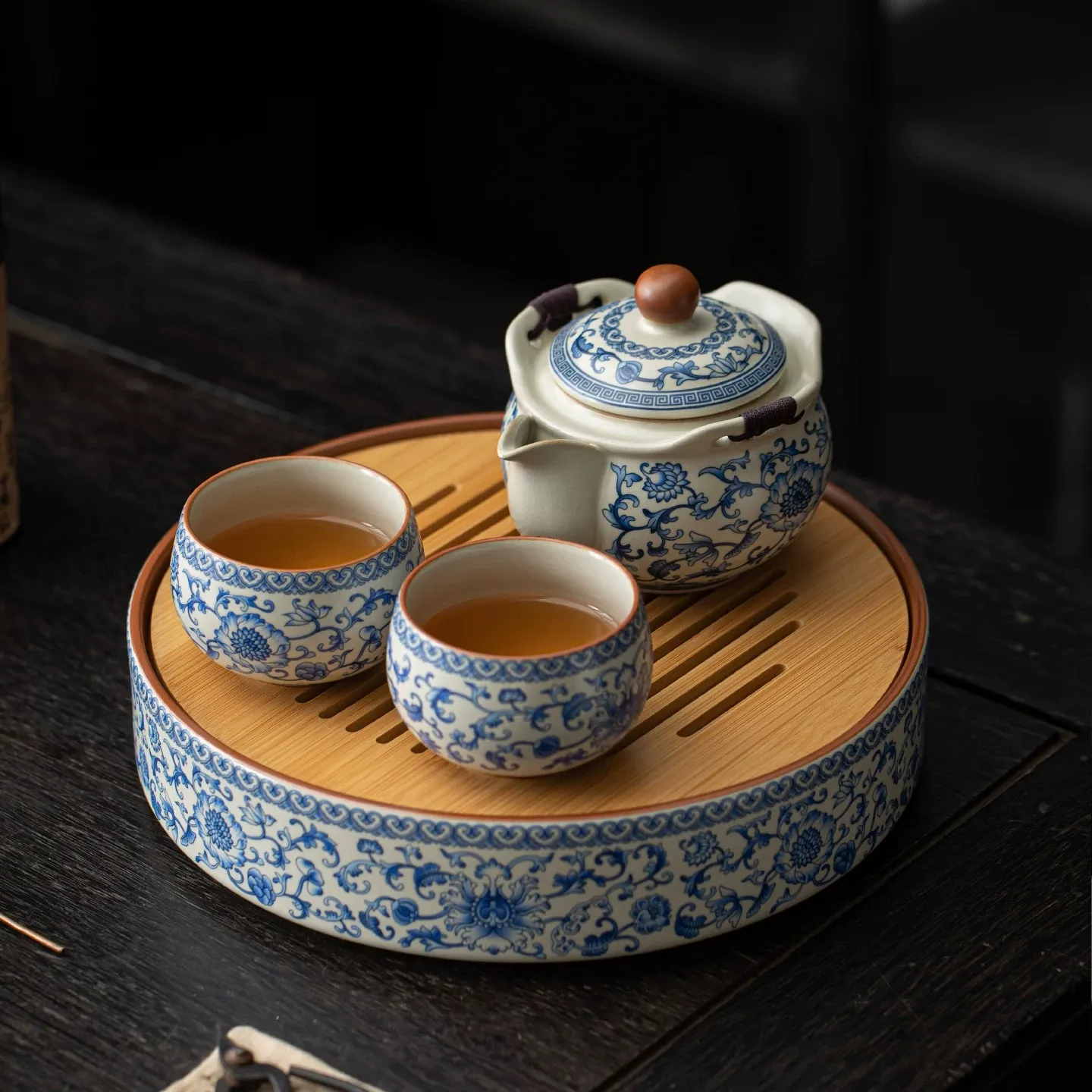
1.Holding tea ware: It neatly holds all Gongfu tea sets such as gaiwans, Zisha teapots and tasting cups, preventing slipping or collision and keeping the table tidy.

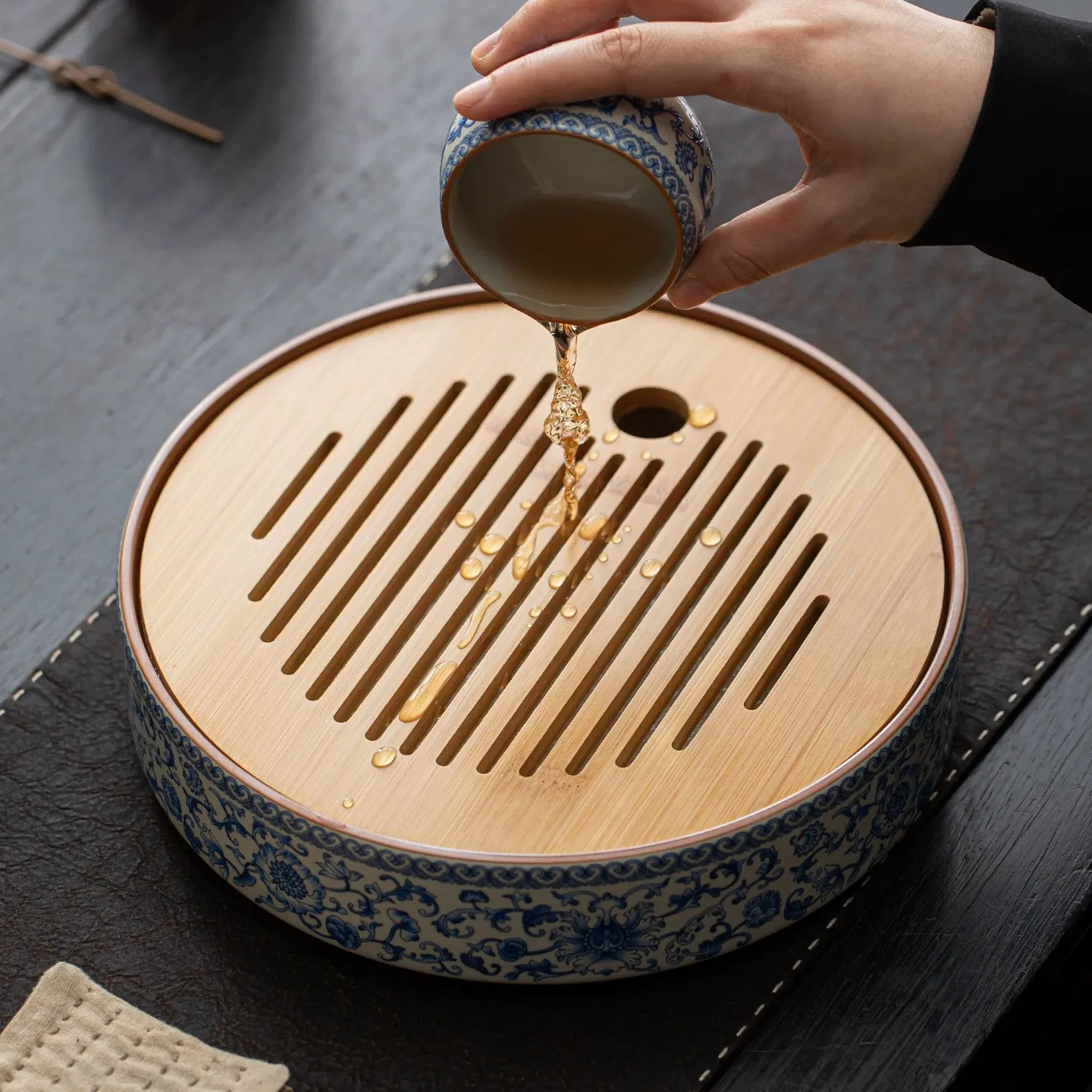
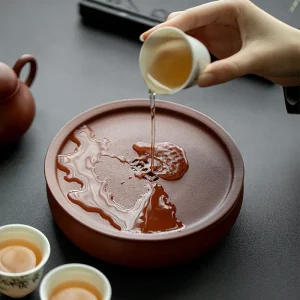
2.Collecting waste water: This is the key practical function. The tray surface usually has water-guiding grooves and drainage holes to collect spilled tea liquid and all waste water from brewing into the built-in storage tank.

The key points for maintaining bamboo and solid wood tea trays are to avoid two common problems: mold from moisture and cracking from dryness.

During daily use, do not leave the tray soaked in water for a long time. After each brewing session, pour out the waste water in the tank right away, wipe the surface and edges dry with a clean soft cloth, and let it air dry in a ventilated place. Keep it away from direct sunlight to prevent cracking or deformation.

For cleaning, only use warm water and a soft cloth. Do not use steel wool or chemical cleaners, which may damage the surface protective layer. When not in use for a long time, dry it completely and store it in a dry and dark place.