

Yixing teapots are distinctive traditional Chinese tea utensils, famous for their unique breathable material, exquisite craftsmanship, and warm texture. This article will comprehensively introduce the origin and history, production techniques, and types of clay for Yixing teapots, as well as the methods of selection, preparation, and maintenance. It also includes introductions to ceramic artists and answers to frequently asked questions, helping you fully understand this classic tea ware.
If you are looking to buy or add a new Yixing purple clay teapot, we welcome you to check out the full Tea Narrative collection of Yixing teapots.
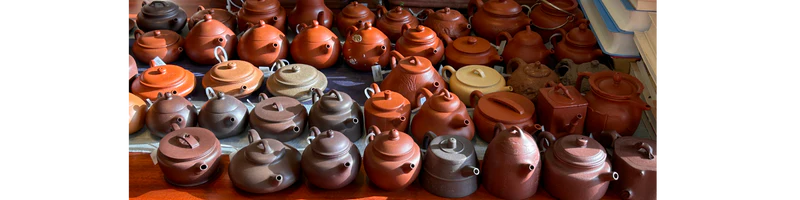
Understanding Yixing Teapots
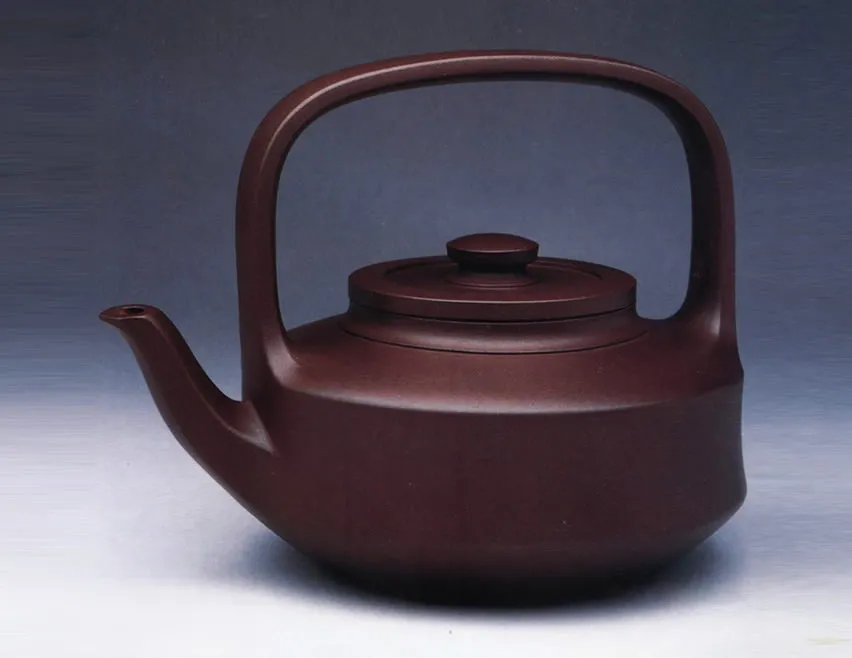
Yixing teapots are produced in Yixing, China, and handmade from unique local natural purple clay. The double porous structure of purple clay is breathable yet watertight. It locks in the aroma of tea soup while making the taste mellower. Over long-term use, the teapot body gradually develops a warm patina, becoming more charming with time. It combines practicality and collection value, making it the top choice for tea lovers.
Origin and History of Yixing Teapots
Yixing teapots originated in the middle of the Ming Dynasty (Hongzhi and Zhengde periods, around the turn of the 15th and 16th centuries). According to legend, they were first created by Monk Gongchun during the Zhengde to Jiajing periods (about 1506–1566), marking the birth of Yixing teapots. During the Ming and Qing dynasties (1662–1795), the craftsmanship of Yixing teapots gradually matured. They became highly sought-after by the royal family and literati, with continuous improvements in techniques and the formation of distinctive schools. In modern times, the craftsmanship of Yixing teapots has been continuously inherited and innovated, becoming an important carrier of traditional craftsmanship and tea culture.
Production Methods of Yixing Teapots
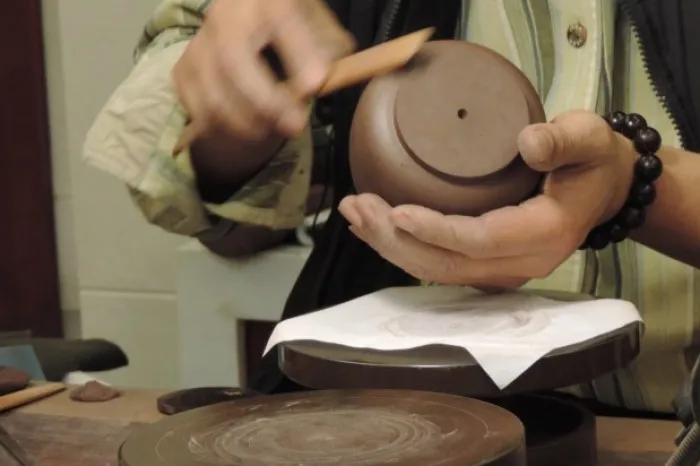
The production process of Yixing teapots is complex and rigorous, completed entirely by hand, which greatly tests the experience and skills of ceramic artisans. The following are the core production steps:
1. Clay Selection and Pounding
High-quality raw ore purple clay is selected and purified of impurities. It then goes through crushing, grinding, sieving, mixing, and pounding to achieve a uniform, delicate, and tough texture, laying a solid foundation for teapot making. The meticulousness of clay processing directly affects the texture and durability of the finished teapot.
2. Shaping the Teapot
This is a critical step in making a Yixing teapot. Artisans form the body, lid, spout, and handle from the processed clay, focusing on balanced proportions and smooth lines to ensure both aesthetic appeal and practicality.
3. Trimming and Decoration
The formed teapot is carefully trimmed and polished. The angles of the spout and handle are adjusted to ensure smooth water flow and a comfortable grip. Some Yixing teapots are decorated with carvings or reliefs to enhance their beauty and cultural connotation. The decoration style is simple and elegant, matching the overall design of the teapot.
4. Firing
The finished teapot is placed in a kiln for firing, with strict control over temperature and time. This step directly determines the color, hardness, and texture of the teapot. High-quality Yixing teapots require high-temperature firing to ensure full crystallization of the clay, resulting in a hard texture and excellent air permeability. Defective products are removed after firing.
Types of Yixing Purple Clay
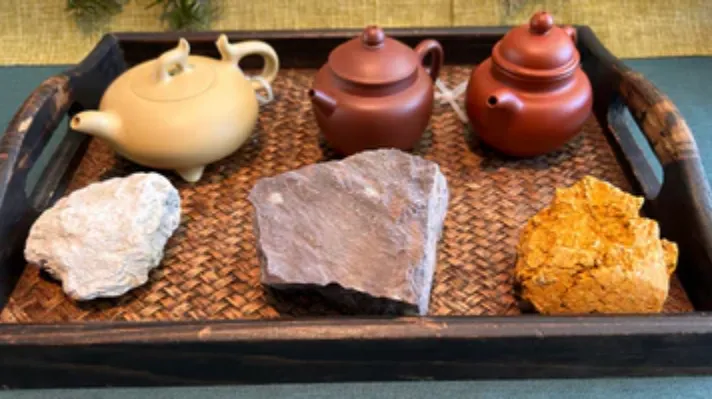
There are three main types of purple clay used for Yixing teapots. Each type differs in color, texture, and suitable tea types. Beginners can choose according to their tea-drinking habits:
1. Purple Clay
The most common and classic type of purple clay, with a deep purple or purple-brown color, fine texture, moderate air permeability, and high stability. It is suitable for brewing oolong, pu-erh, black tea, and many other teas, making it the top choice for beginners. The color becomes warmer and more translucent after proper use.
2. Zhuni Clay
Fine and dense clay with a vermilion or orange-red color and a warm texture. It has slightly lower air permeability than purple clay but excellent aroma retention. It is ideal for fragrant oolong teas such as Tieguanyin and Phoenix Dancong. After use, it develops a ruddy, jade-like smooth texture.
3. Duan Clay
Also known as Tuan Clay, it is a mixture of purple clay and green clay, with a beige or light gray color and natural sandy texture. It has outstanding air permeability, perfect for lightly fermented teas like green tea and white tea, preserving the fresh and brisk taste of the leaves. It retains its unique sandy charm after long-term use.
How to Choose a Yixing Teapot
You do not need to pursue luxury when choosing a Yixing teapot; practicality should be the priority, with a focus on clay quality and craftsmanship. Beginners can easily pick a suitable teapot by following these three simple tips:
Clay quality: High-quality purple clay feels fine and not rough, with a natural and understated color, no pungent odor, and slight toughness when pressed. Avoid artificially synthesized clay with overly uniform color and slippery texture.
Craftsmanship: The teapot has smooth lines, tight connections between the spout, handle, and lid. The lid fits closely and rotates smoothly, with unobstructed water flow and no obvious flaws.
Practicality: Choose an appropriate size based on the number of drinkers, with a comfortable grip, smooth water flow, and suitability for your regular tea type.
How to Prepare a New Yixing Teapot
A new Yixing teapot requires preparation to remove firing residues, activate the clay’s air permeability, and improve the taste of future brews. The steps are simple and easy for beginners:
Step 1: Clean the teapot. Rinse the body, lid, and interior with warm water to remove dust and impurities without using any detergent.
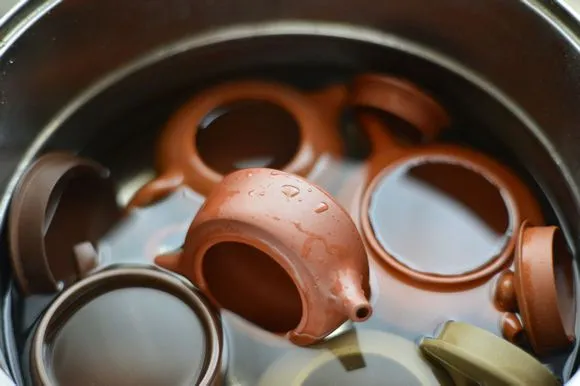
Step 2: Warm and condition the clay. Place the teapot in a pot, cover it with cold water, and simmer gently for 10–15 minutes. A small amount of your regular tea can be added to let the tea soup infuse the clay and activate its properties.
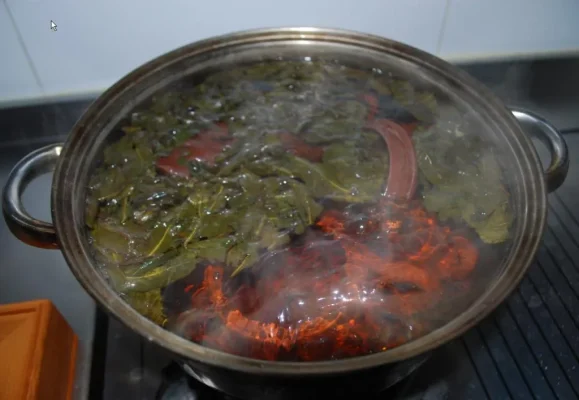
Step 3: Dry and use. Remove the teapot, wipe it dry with a soft cloth, and let it air-dry naturally. You may discard the first brew to help the teapot adapt to the tea soup.
Cleaning and Maintenance of Yixing Teapots
The core of maintaining a Yixing teapot is “nurturing the teapot as you nurture the tea.” Daily cleaning and maintenance are simple. Following these steps will extend the teapot’s life and help it develop a warm patina quickly:
Daily cleaning: After each use, rinse the interior and exterior with warm water to remove tea residues, and wipe gently with a soft cloth. Do not use detergent or steel wool, as they damage the teapot and ruin the patina.
Daily maintenance: Pour tea soup over the teapot occasionally while brewing to ensure even contact. Air-dry naturally after use, avoid direct sunlight, high temperatures, damp environments, and strong odors.
Long-term storage: If not used for a long time, clean the teapot thoroughly, dry it completely, wrap it in a soft cloth, and store it in a ventilated, dry place to avoid bumps and falls.
Yixing Purple Clay Artists and Their Masterpieces
The development of Yixing teapots relies on the inheritance and innovation of generations of artisans. The following representative artists have created works of great craft and collection value, helping you better understand the charm of Yixing teapots:
1. Gongchun
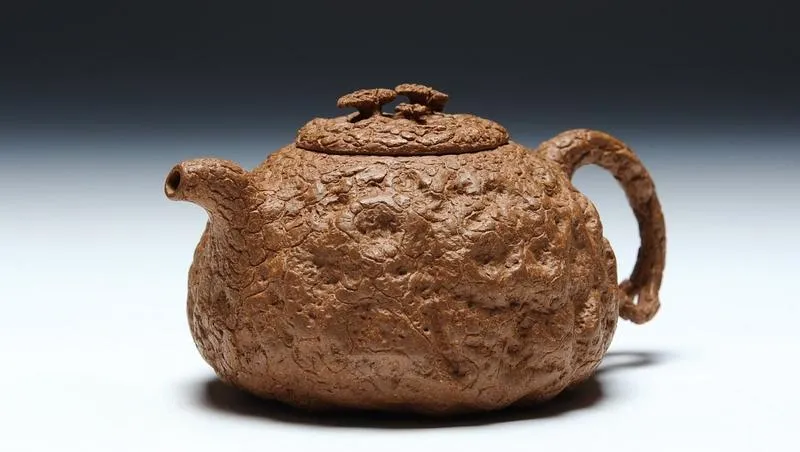
The founding father of Yixing teapot making in the Ming Dynasty. He pioneered the craft of purple clay teapots and broke traditional pottery shapes. His masterpiece, the Gongchun Teapot, imitates the texture of a ginkgo tree lump with natural, realistic patterns and fine texture. It is a classic in the history of Yixing teapots and laid the foundation for the craft.
2. Shi Dabin
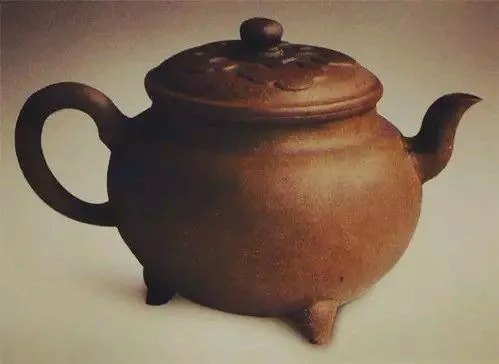
A renowned artisan in the late Ming Dynasty. He perfected the craftsmanship of Yixing teapots and specialized in making small-sized teapots with simple, elegant designs that balance practicality and beauty. His masterpieces, the Three-Foot Round Teapot and Shi Piao Teapot, feature smooth lines and balanced proportions, and are still imitated by many artisans today.
3. Gu Jingzhou
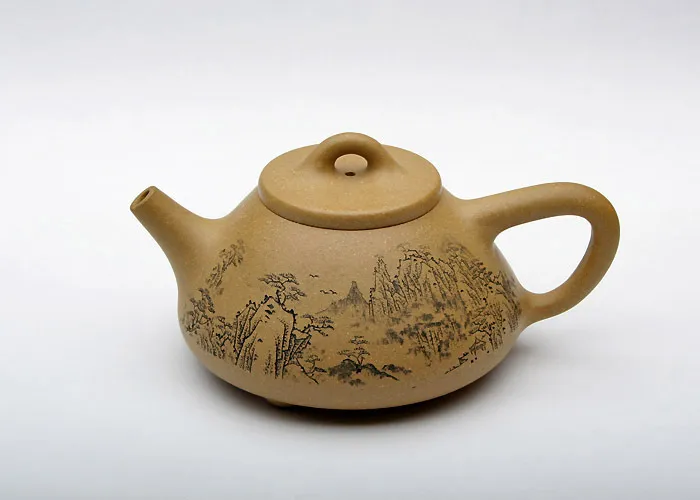
A modern master of purple clay art, honored as “The Supreme Master of Purple Clay.” His craftsmanship is exquisite, with simple and elegant designs that perfectly integrate clay quality and technique. He elevated the craft and culture of Yixing teapots to a new level. His masterpieces, the Ti Bi Teapot and Shi Piao Teapot, combine practicality and artistic value, and are highly popular among collectors.
Frequently Asked Questions (FAQs)
Q: Can I clean a Yixing teapot with detergent?
A: No. Detergent contains chemical ingredients that seep into the clay’s pores and cannot be completely removed. It damages the patina and affects the taste of future brews. Only warm water and a soft cloth are needed for daily cleaning.
Q: Can one Yixing teapot be used for different types of tea?
A: It is not recommended. The porous clay absorbs tea aromas. Using it for multiple teas will mix flavors and ruin the taste. It is best to use one teapot for only one type of tea to preserve the original flavor and ensure even patina development.
Q: Do I need to wipe the patina deliberately?
A: No special wiping is needed. The tea soup nourishes the teapot naturally during brewing. Simply wipe it gently with a soft cloth after use. The patina will form gradually over time. Deliberate rubbing may damage the teapot and affect the patina’s warm texture.
Q: How to tell if Yixing purple clay is high quality?
A: High-quality purple clay has a natural color, fine and sandy texture, no pungent odor, slight toughness, and becomes hard and highly breathable after firing. Artificially synthesized clay has bright, uniform color, slippery texture, no natural sandy feel, and may have a pungent odor, with far inferior practicality and texture.

推荐产品
Hand-Painted Sassy Cat Ceramic Tea Pet
Handmade Yixing Raw Ore Purple Clay Gaiwan 150ml
Handmade Jade White Porcelain Gaiwan 100ml
Handmade Unglazed Coarse Pottery Old Rock Clay Gaiwan 80ml
Jingdezhen Mei Leaf Gaiwan Red Blossom 160ml
Jingdezhen Hand-Painted Blue and White Porcelain Gaiwan 180 ml
Bamboo Green Glass Gaiwan Kung Fu Tea Set 120ml
Yixing Purple Clay Gongfu Gaiwan 210ml
Jingdezhen Straw Ash Glazed Gaiwan with Spout 130ml
Jingdezhen Glazed Porcelain Gaiwan 160ml
Portable Travel Gaiwan Tea Set 1 Gaiwan 3 Tea Cups
Celadon Gaiwan with Tea Strainer Infuser 110ml