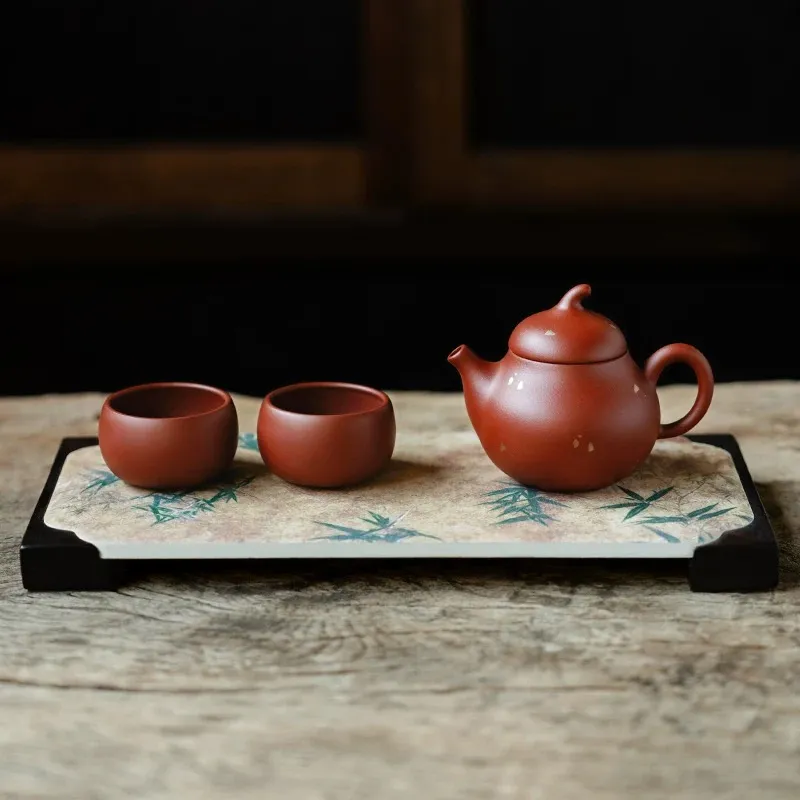
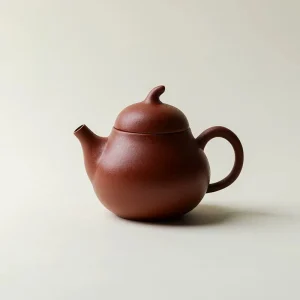
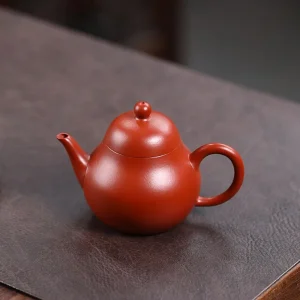
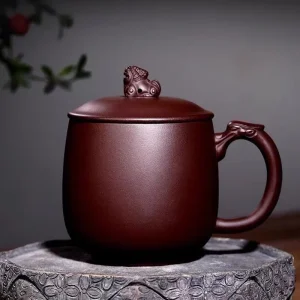
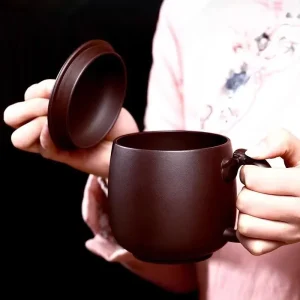
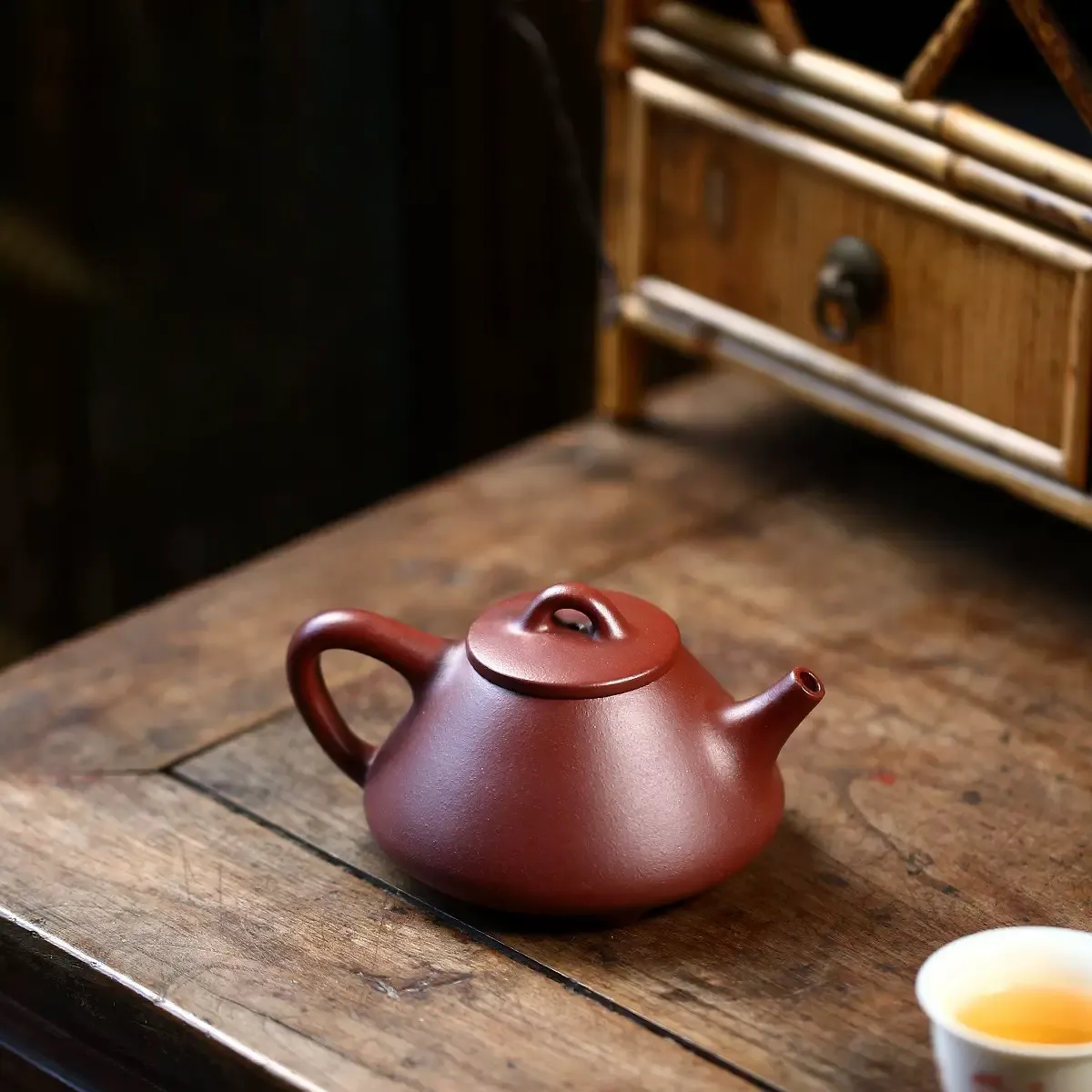
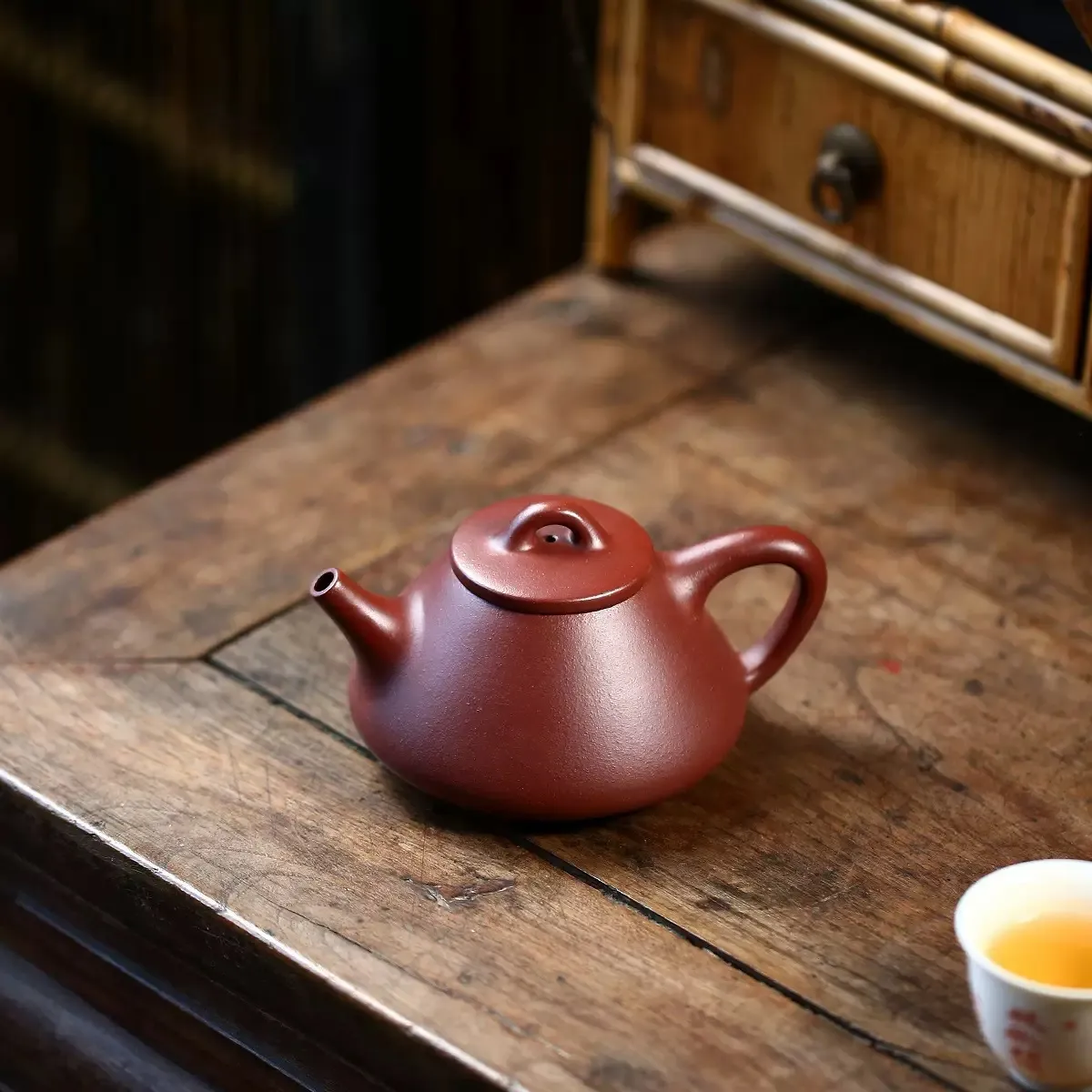
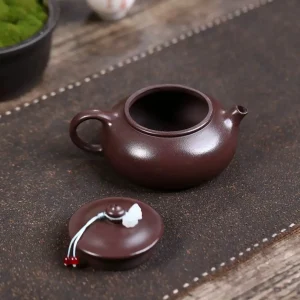
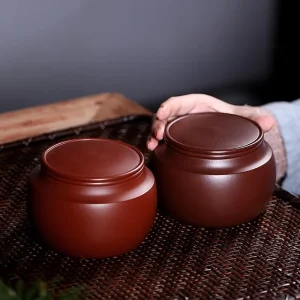
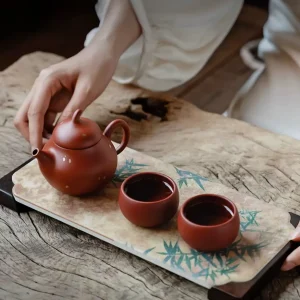
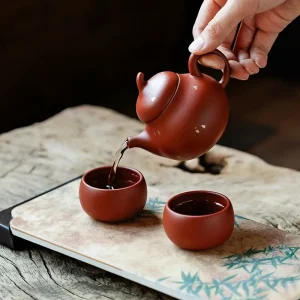
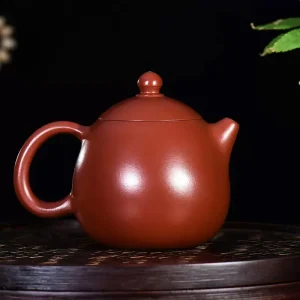
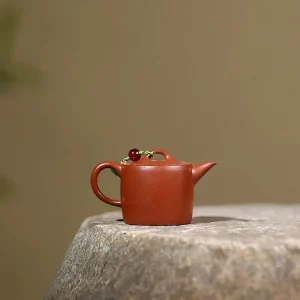
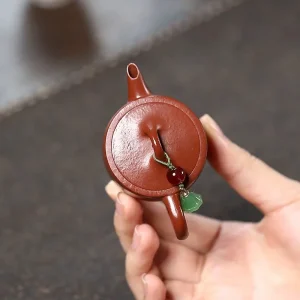
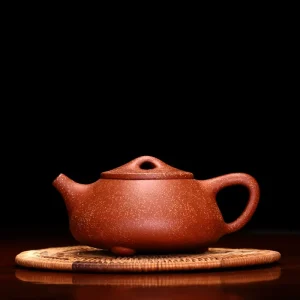
Complete Yixing Gongfu Tea Set including a teapot and two teacups arranged on an elegant bamboo-patterned tea tray, presented on a rustic wooden surface

Yixing Teapot

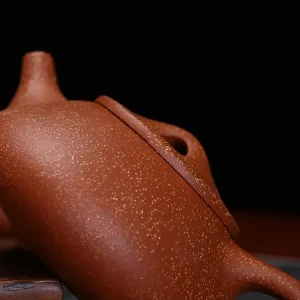
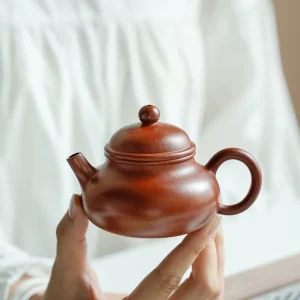
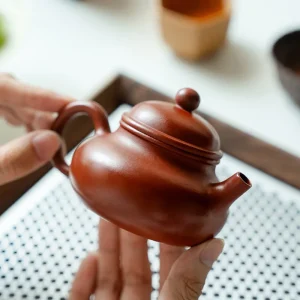
Yixing Zisha teapots are iconic classic tea utensils in traditional Chinese tea ceremony. Meticulously crafted from authentic purple clay sourced from Yixing, they boast a unique porous and breathable texture. These teapots are especially perfect for brewing oolong tea, Pu Erh tea and black tea, as they can fully bring out the tea aroma and deliver a smooth, mellow tea taste.

Sale!
Price range: $128.90 through $138.90
Sale!
Price range: $158.00 through $188.00
Sale!
Original price was: $109.90.Current price is: $99.90.
Sale!
Original price was: $169.00.Current price is: $149.00.
Sale!
Original price was: $158.00.Current price is: $138.00.

Yixing Teapot FAQs

The Yixing Zisha teapot is crafted from unique purple clay found exclusively in Yixing, China. Its core characteristics include a porous texture and excellent breathability, which lock in the original flavor of tea leaves and create a richer, smoother tea liquor. Typically composed of a body, lid, spout and handle, the Zisha teapot comes in diverse shapes, combining practicality with aesthetic appeal. It is one of the most iconic vessels in Chinese gongfu tea.

The history of the Yixing Zisha teapot dates back to the Ming Dynasty of China (around 1506–1566), spanning over 500 years. It is one of China’s earliest handcrafted tea brewing vessels. Initially, local potters in Yixing discovered that the unique purple clay from the region preserved tea aromas exceptionally well, leading them to start making Zisha teapots. During the Wanli reign of the Ming Dynasty (1573–1620), the teapot evolved from a simple everyday utensil into an object of both utility and artistic value, beloved by scholars and literati. After centuries of development, the craftsmanship of Yixing Zisha teapots has been continuously refined, and it is now recognized globally as a classic traditional tea vessel.

For beginners, the core principles for selecting a Yixing Zisha teapot are ease of use, simple maintenance and good value. Here are practical suggestions:

  • Clay Type: Prioritize common purple clay (Zini) or duan clay (Duanni). These clays have stable textures, moderate breathability and are easy to maintain, making them ideal for beginners. Avoid overly rare or high-priced clays.
  • Size: Choose a medium size between 150ml and 250ml. This size is suitable for 1 to 2 people, offers a comfortable grip, and makes it easier to control water filling and pouring.
  • Details: Look for teapots with a tight-fitting lid (to prevent leaking), a smooth-flowing spout and a comfortable handle. Opt for basic handcrafted styles and avoid overly complex shapes (which are harder for beginners to operate).
  • Safety: Ensure the teapot meets food contact standards, is lead-free and cadmium-free for safe use.

The core differences between a Yixing Zisha teapot and a regular ceramic teapot lie in material, function and user experience, as follows:

  • Material: Zisha teapots are made from Yixing purple clay, which is porous and breathable. Regular ceramic teapots are made from common clay or porcelain, with a dense texture and poor breathability.
  • Brewing Effect: Zisha teapots absorb some of the tea’s aroma, resulting in a warmer, richer tea liquor. After long-term use, even without tea leaves, pouring boiling water into the teapot will release a subtle tea scent. Regular ceramic teapots do not absorb flavors, preserving the original aroma of the tea, but lack the layered taste of Zisha-brewed tea.
  • Maintenance: Zisha teapots require “seasoning” (a patina forms over time, enhancing texture and flavor). Regular ceramic teapots are simple to maintain—just clean them thoroughly after use, with no special care needed.
  • Price: Regular ceramic teapots are affordable. Due to the unique clay and handcrafted production, Zisha teapots are relatively more expensive, and high-quality pieces hold greater collectible value.

There is no absolute “better” choice between a Yixing Zisha teapot and a gaiwan; it mainly depends on your usage scenarios and needs. Here are selection suggestions:

Yixing Zisha Teapot: Ideal for those who prefer brewing one fixed type of tea (such as oolong or Pu Erh) consistently. It enhances the tea’s flavor, offers a comfortable grip and is less likely to burn hands, making it perfect for daily home use. The downside is that it is not as easy to clean as a gaiwan, and frequent switching between tea types is not recommended (as residual aromas will linger).

Gaiwan: Flexible to operate, pours tea quickly, and is easy to clean and switch between different teas. It is great for beginners to practice tea-making skills and for those who enjoy trying various teas. The disadvantage is that you need to master the correct holding method, otherwise you may easily burn your hands.

In short, choose a Zisha teapot if you prioritize tea flavor and stick to one type of tea. Choose a gaiwan if you are a beginner or love exploring different teas.

Yixing Zisha teapots are primarily made from three main types of clay, which are the most common and suitable for daily use:

Purple Clay (Zini): The most prevalent Zisha clay, with a deep purple or purplish-brown color. It has a fine texture and moderate breathability, ideal for brewing oolong, Pu Erh and black tea, resulting in a warm, mellow flavor that is easy to maintain.

Red Clay (Hongni): Featuring a red or orange-red hue, this clay is finer than purple clay with slightly lower breathability. It is perfect for brewing green tea and white tea, as it preserves the fresh, delicate aroma of the leaves.

Duan Clay (Duanni): With a beige or light gray color, this clay has a loose texture and excellent breathability. It suits oolong and Pu Erh, delivering a crisp, clean flavor that appeals to those who prefer lighter tastes.

For beginners, the steps to use a Yixing Zisha teapot are simple, with the core focus on warming the pot, controlling steeping time and pouring the tea. Here are the specific steps:

1.Warm the Pot: Rinse the body, lid and spout with boiling water to clean the vessel and preheat it, which helps the tea leaves release their aroma more effectively.

2.Add Tea Leaves: Place 3 to 5 grams of tea leaves into the pot (adjust based on personal taste), and gently shake the pot to distribute the leaves evenly.

3.Rinse the Tea: Pour in boiling water just enough to cover the leaves, then pour out the liquid immediately. This “rinsing” step awakens the tea leaves and removes impurities.

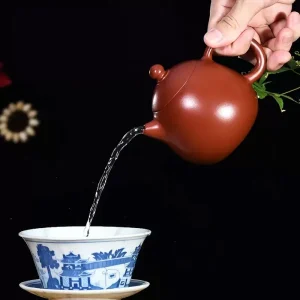
4.Infuse and Pour: Refill with boiling water, cover the lid, and let it steep for 10 to 30 seconds (adjust time based on tea type—shorter for green tea, longer for Pu Erh). Then pour the tea into a fairness pitcher or tasting cups to enjoy.

5.Cleaning: After use, rinse the pot thoroughly with warm water, dry the body, and let it air dry in a well-ventilated area. Do not use dish soap.


Thanks to its excellent breathability and aroma-locking properties, the Yixing Zisha teapot is suitable for most teas, especially those that benefit from slow steeping to highlight layered flavors. Here are the best matches:

  • Oolong Tea (such as Tieguanyin and Da Hong Pao): The Zisha teapot locks in the rich aroma of oolong, creating a smoother, sweeter aftertaste—this is the most ideal pairing.
  • Pu Erh Tea (Raw and Ripe): Its breathability enhances the aged fragrance of Pu Erh, preventing bitterness and elevating the overall flavor.
  • Black Tea: It softens the astringency of black tea, bringing out its sweet, aromatic notes.
  • Less Suitable Teas: Green tea and white tea (especially tender bud green tea). These teas require quick pouring, and the Zisha teapot’s breathability can lead to over-steeping, resulting in a bitter taste that diminishes the tea’s quality.

“Seasoning” is a unique characteristic of the Yixing Zisha teapot, with the core goal of enhancing the vessel’s texture and the quality of brewed tea. Here are the key reasons:

1.Patina Formation: With regular use, the oils and aromas from tea leaves penetrate the porous purple clay, gradually forming a smooth, lustrous “patina” on the pot’s surface. This deepens the pot’s color and refines its texture.

2.Flavor Enhancement: A seasoned Zisha teapot retains residual tea aromas in its pores, which blend with the new tea’s scent to create a richer, more layered flavor than a new pot.

3.Extended Lifespan: Proper seasoning stabilizes the texture of the purple clay, reducing the risk of cracking and allowing the teapot to be used for generations, with its value increasing over time.

In short, seasoning is not a deliberate “maintenance” task but a natural result of regular use. Simply cleaning the pot with warm water and letting it air dry after each use is the best way to season it.