

The gaiwan is a traditional Chinese tea vessel with roots dating back to the Ming Dynasty. In Chinese, the word gaiwan literally means a bowl with a lid. Structurally, it is an ingenious combination of three parts: a lid, a bowl, and a saucer. This guide will introduce the historical background of the gaiwan, provide a brewing tutorial, offer a buying guide, and compare it with traditional teapots.
Quick Overview: What is a Gaiwan?
In traditional Chinese culture, the gaiwan is also known as the Sancai Bowl. It represents a classic category of Chinese ceramic tea ware. The standard design features three components: a lid, a bowl, and a saucer. This structure embodies the philosophical concept of Sancai, which signifies heaven covering, humanity nurturing, and earth supporting. Highly versatile for different tea drinking occasions, it can serve directly as a personal teacup or function as the central brewing vessel for Gongfu tea.
Historical Origins of the Gaiwan
The prototype of the gaiwan can be traced back to the Tang Dynasty in China between 780 and 783 AD. However, it truly took shape and became widely used during the Ming Dynasty around 1391 AD, coinciding with the rise in popularity of loose leaf tea over compressed tea bricks. By the Qing Dynasty from the 17th to the 19th centuries, the design of the gaiwan reached its peak, becoming a beloved everyday tea vessel for everyone from royalty to commoners. In ancient times, the gaiwan served a dual purpose. It could be used as a brewing vessel to pour and share tea into smaller cups, or it could be held directly as a personal drinking cup.
A Detailed Guide to Brewing Tea with a Gaiwan
Mastering the use of a gaiwan for the Gongfu tea brewing method allows you to fully extract the flavor of your tea leaves. Below is a detailed brewing guide with helpful techniques.
Step by Step Brewing Instructions
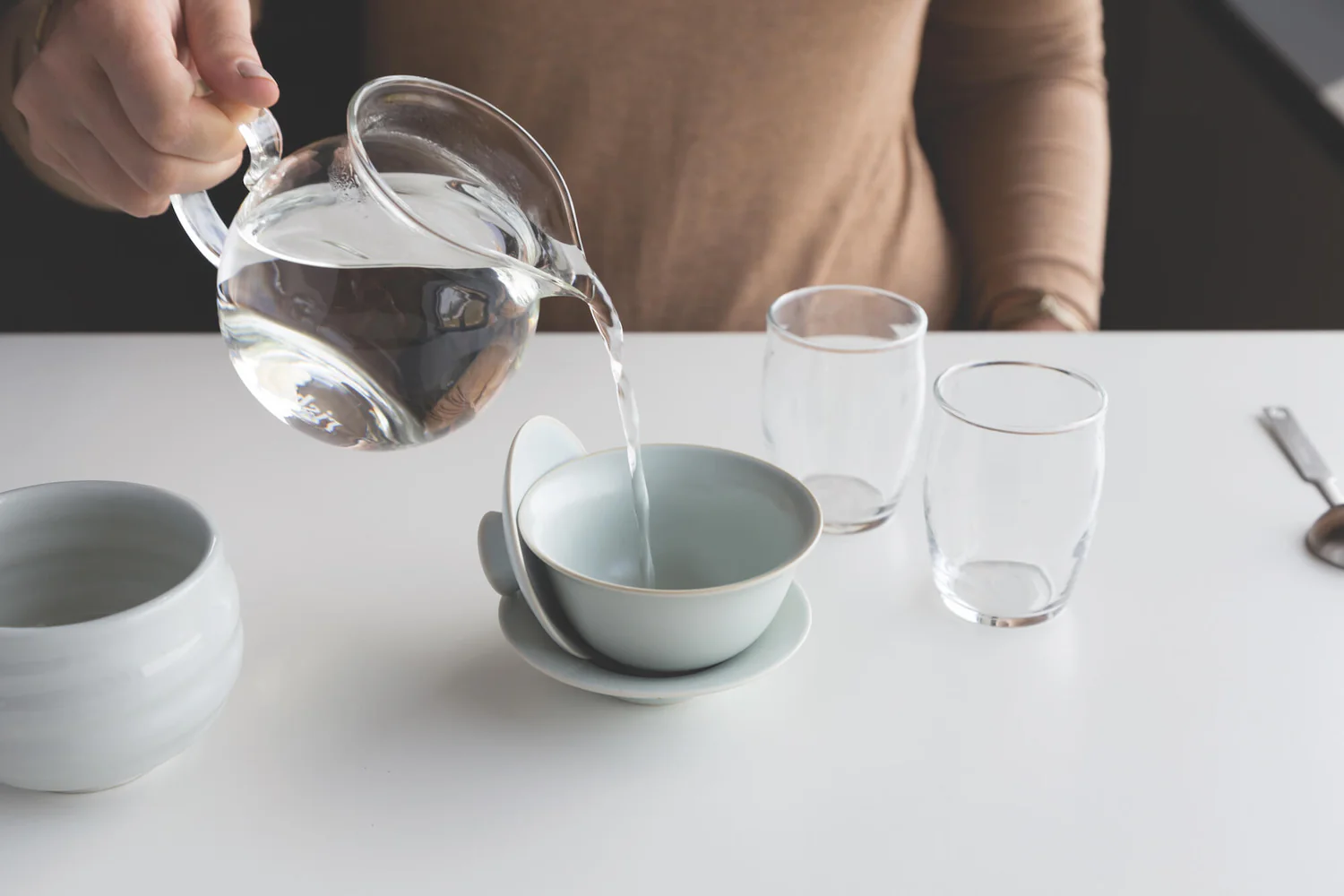
1.Warm the Cup: Pour hot water into the gaiwan, swirl it gently, and discard the water. This step cleans the vessel and raises the temperature of the bowl, which helps release the aroma of the tea leaves.
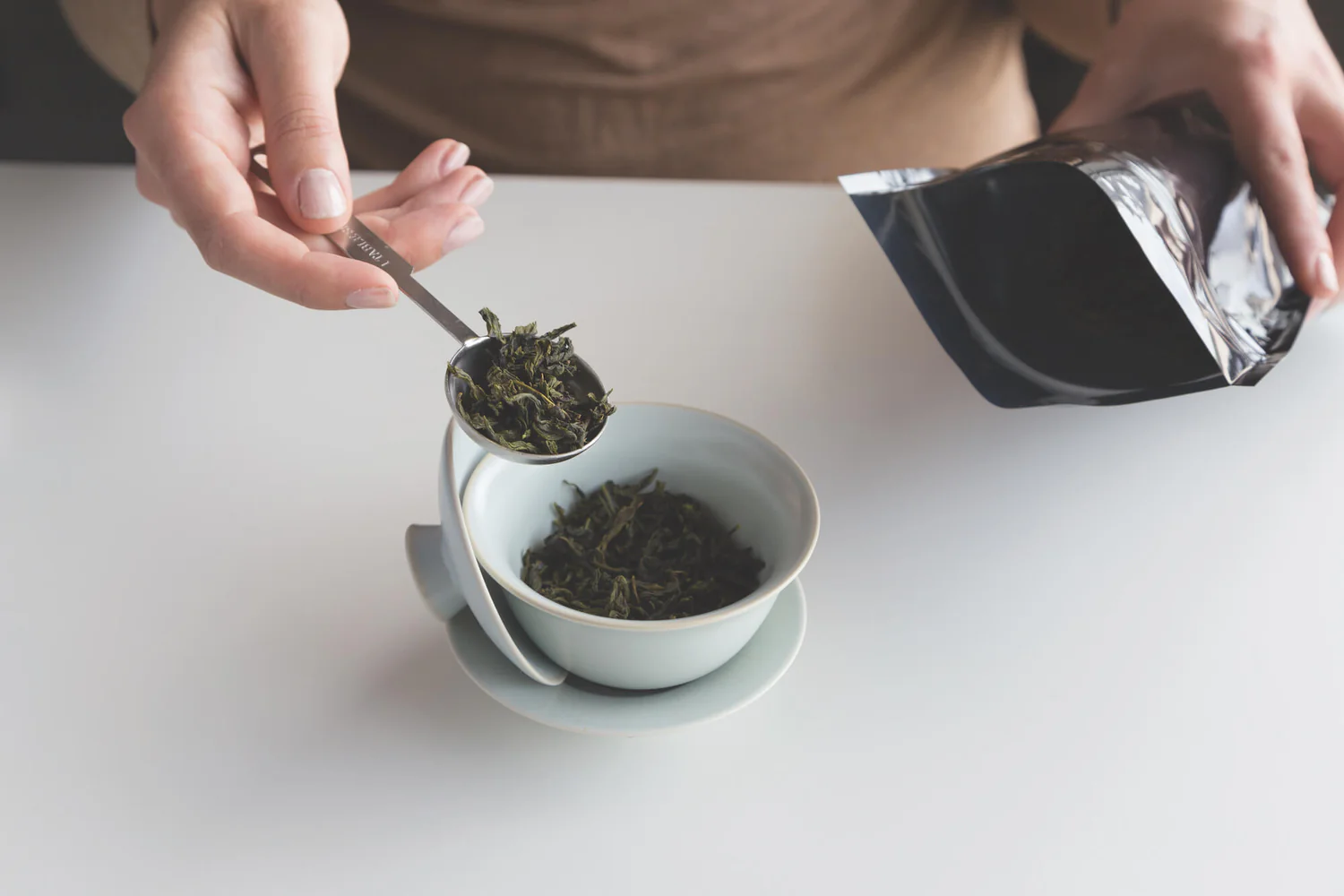
2.Add Tea Leaves: Add an appropriate amount of tea leaves based on the capacity of your gaiwan and the type of tea. Typically, covering the bottom of the bowl is sufficient, filling about one quarter to one third of its volume.
3.Rinse the Tea: Pour hot water over the leaves and discard the water immediately. This awakens the dried leaves and washes away any surface tea dust. You can skip this step for tender teas like delicate green tea.
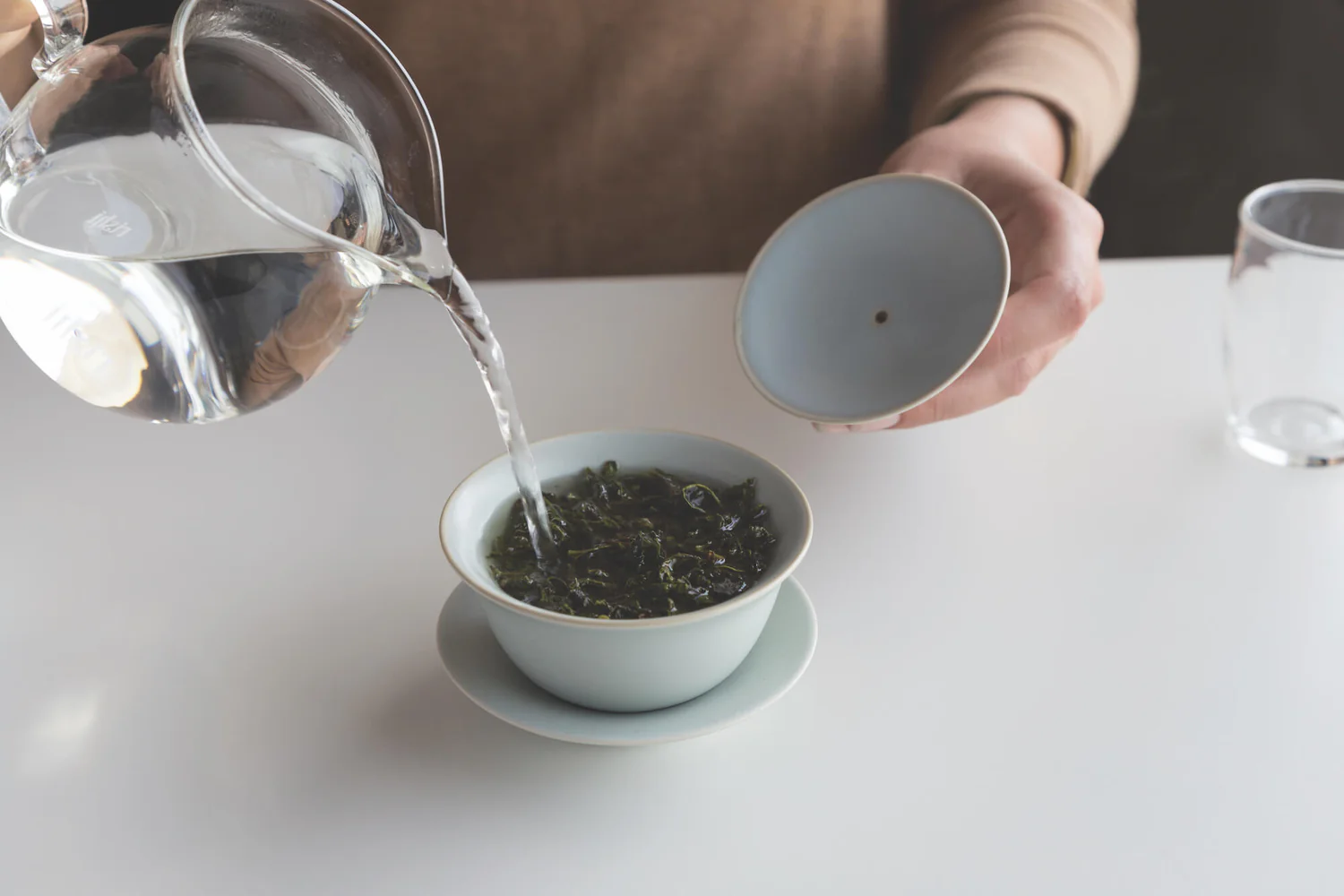
4.Brewing: Gently pour hot water along the inner wall of the bowl. Adjust your steeping time depending on the type of tea:
- Delicate Green Tea and Yellow Tea: Pour the water out immediately after filling, taking about 5 to 10 seconds. Do not steep these for long.
- Oolong Tea, Black Tea, and Young Raw Pu erh: Steep for about 10 to 20 seconds for the first brew. You can extend subsequent brews by 3 to 5 seconds each time.
- Ripe Pu erh, Aged White Tea, and Dark Tea: Steep for 20 to 30 seconds for the first brew to awaken the internal flavors. Increase the time by 5 to 10 seconds for each subsequent brew.
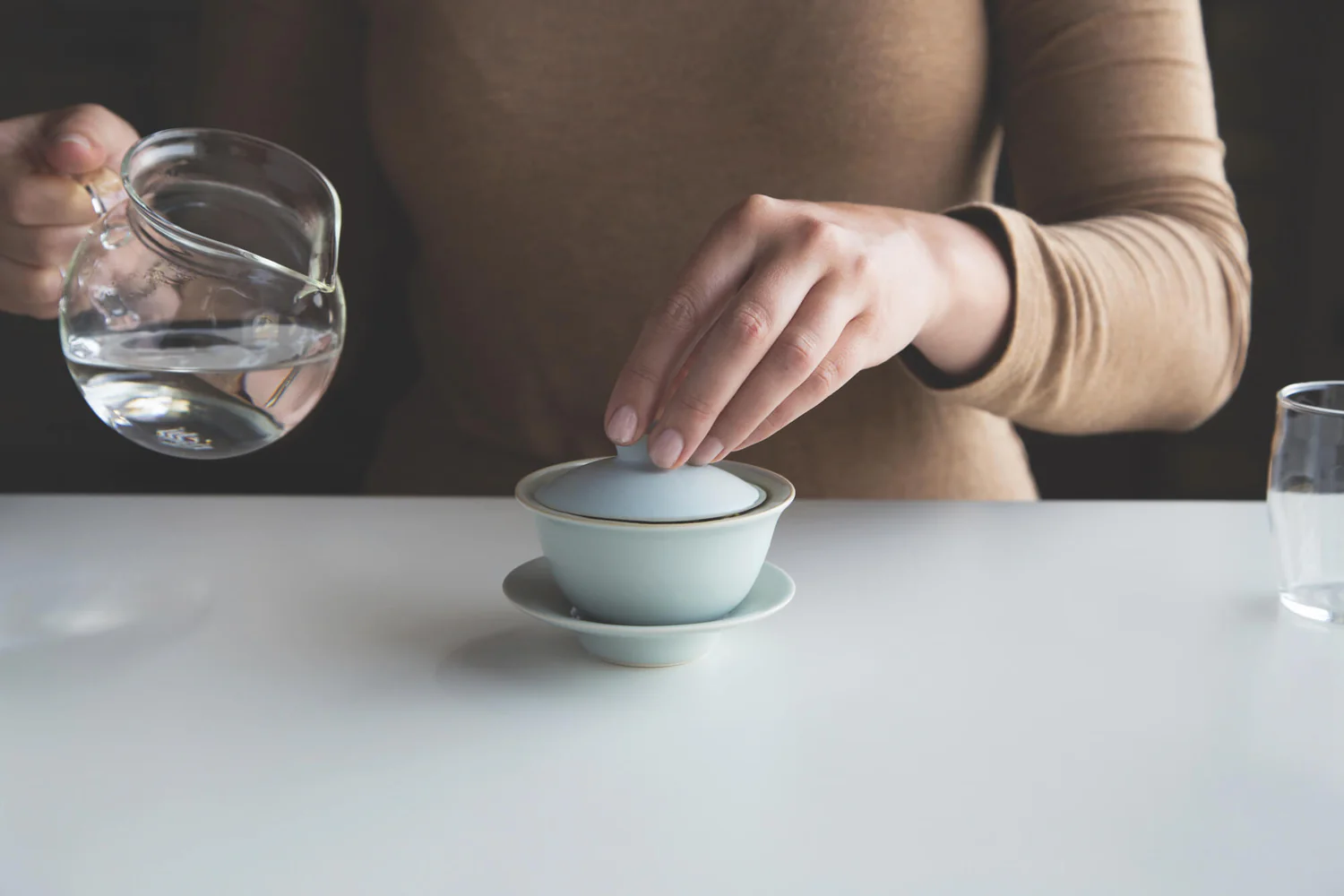
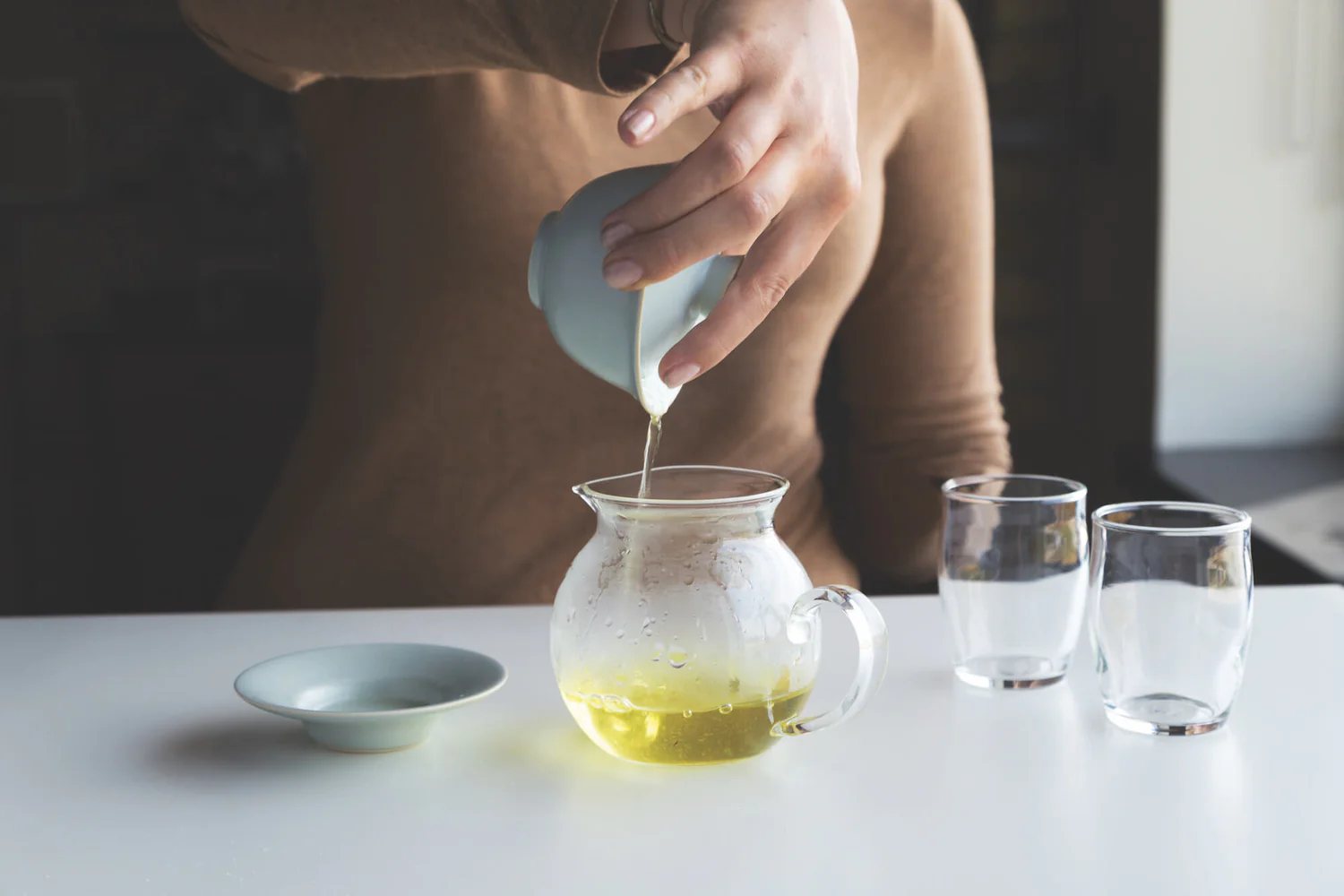
5.Pouring the Tea: Place the lid on the bowl, leaving a tiny gap to hold back the leaves. Grip the rim of the bowl with your fingers and quickly and steadily pour the brewed tea into a fairness pitcher or tasting cups.
What Teas are Best Suited for a Gaiwan?
Gaiwans are usually made of white porcelain with a smooth glazed surface that does not absorb aromas or flavors. Because of this, they are perfectly suited for brewing all types of tea.
They are especially excellent for brewing highly aromatic teas like oolong and jasmine, delicate teas like green tea and Silver Needle white tea, as well as black tea. The wide opening of the bowl allows heat to dissipate quickly, preventing tender leaves from overcooking while allowing high boiling point aromas to fully evaporate and reach your nose.
Advantages of Brewing Tea with a Gaiwan
Exceptional Control: You can control the pouring speed by adjusting the size of the gap under the lid. You can also lift the lid at any time to observe the condition of the leaves and the color of the tea liquor.
Complete Flavor Extraction: Most gaiwans, especially white porcelain ones, feature a dense glaze that absorbs neither water nor odors. This ensures you taste the most authentic and pure flavor of the tea.
Easy to Clean: The wide opening makes it incredibly simple to discard used tea leaves and wash the bowl. Unlike teapots, there are no hidden corners that are difficult to reach.
Gaiwan versus Teapot: How to Choose
Many beginners hesitate between choosing a gaiwan or a teapot. Here is a simple breakdown:
Choose a Gaiwan: If you enjoy tasting a wide variety of teas, frequently switch between different types of tea, or love to smell the aroma and observe the brewed leaves, a gaiwan is your best choice. It is highly versatile, pours quickly, and is the preferred tool for evaluating tea quality.
Choose a Teapot: If you prefer heavily fermented teas such as ripe Pu erh or aged dark tea, the superior heat retention of a teapot can steep a richer and thicker liquor. Additionally, unglazed clay teapots like Yixing pots are excellent for long term seasoning, as they absorb tea oils and aromas over time.
A Beginner Guide to Buying a Gaiwan
For beginners in the art of tea, focusing on size, material, and heat resistance design is crucial when buying your first gaiwan.
Choosing the Right Capacity and Size
100 ml to 130 ml for Beginners and Solo Drinking: This is the golden standard capacity. The size is moderate, making it easy for beginners or individuals with smaller hands to grasp with one hand without slipping or burning their fingers.
150 ml and Above for Group Sharing: These are ideal for brewing large volume teas like Dancong oolong or large leaf white tea during gatherings. However, they can be heavy when filled with water, requiring stronger finger grip and better handling techniques from the user.
You can also click to view: Tea Narrative Gaiwan Full Collection.
Common Materials and Types of Gaiwans
Understanding the characteristics of different materials will help you choose the best gaiwan for your daily tea drinking habits.
| Material Type | Key Features & Advantages | Ideal Tea Varieties |
|---|---|---|
| Porcelain | Top pick for new tea enthusiasts. It never soaks up tea flavors, releases heat quickly, shows the authentic original color and aroma of tea infusion, and is the most low maintenance option to clean. | Nearly all tea categories, with especially great compatibility for green tea, white tea, oolong tea and black tea. |
| Glass | It has fantastic visual viewing value. You can clearly watch tea leaves move and unfurl in water, and track gradual color changes of brewed tea liquid. | Green tea, white tea, floral scented teas and decorative shaped teas. |
| Pottery Wood Fired | It delivers a rustic primitive aesthetic. The material has tiny pores that achieve better heat retention than porcelain, and brings a soft mellow texture to tea. | Oolong tea, black tea, pu'er tea and dark fermented tea. |
| Yixing Clay | It offers excellent heat retention and air permeability. Regular long term use lets it absorb subtle tea substances, developing a smooth jade like patina on the surface over time. | Needs dedicated use for only one single tea type, such as pu'er tea, vintage white tea and deeply roasted oolong teas. |
Practical Tips for Your Purchase
Inspect the Rim for Heat Resistance: When shopping, pay close attention to the flared edge of the bowl. The wider the rim extends outward, the cooler it remains after you pour in boiling water. This makes it much less likely for beginners to burn their fingers.
Check the Fit of the Lid: The lid does not need to form a perfect seal since you need to leave a gap for pouring. However, it should sit flush on the bowl and glide smoothly without getting stuck.
Frequently Asked Questions About Gaiwans
Q: What are the three parts of a gaiwan?
A: A gaiwan consists of a lid, a bowl, and a saucer. In traditional Chinese culture, these three elements symbolize heaven, humanity, and earth respectively. This represents the philosophical harmony of favorable timing, geographical advantage, and human unity. Beyond its deep cultural significance, this design is highly practical for trapping aromas, preventing burns, and keeping your tea table clean.
Q: Is the gaiwan Chinese or Japanese?
A: The gaiwan is an authentic traditional Chinese tea vessel. It originated in China during the Ming Dynasty and reached peak popularity during the Qing Dynasty. While Japanese tea accessories have been influenced by Chinese tea culture throughout history, the unique three piece design of the gaiwan and its specific use for Gongfu tea brewing are entirely rooted in Chinese history.
Q: Why do tea drinkers love using gaiwans?
A: Experienced tea enthusiasts prefer gaiwans because they are incredibly versatile and work beautifully with any tea. The wide opening allows you to visually appreciate the unfurling leaves while precisely controlling pouring time and water temperature. Furthermore, standard white porcelain gaiwans do not absorb flavors, guaranteeing a perfect representation of every tea true aroma and taste profile.
Q: Gaiwan versus Teacup versus Teapot: What is the difference?
A: The main differences lie in function and experience. A teacup is purely for drinking. A teapot, especially an unglazed clay one, offers excellent heat retention for long steeping of aged teas and will absorb tea oils over time. A gaiwan is an all around brewing tool. It pours rapidly, cleans easily, and makes it simple to smell aromas and inspect leaves. It is the ultimate instrument for testing different tea flavor profiles and practicing Gongfu tea brewing.
Q: How do I hold a gaiwan without burning my fingers?
A: The secret to avoiding burns lies in using the correct hand posture and maintaining a reasonable water level. First, never fill the bowl more than eighty percent full. When pouring, use your thumb and middle finger to firmly grip the outermost edge of the bowl rim where the temperature is lowest. Rest your index finger lightly on the lid knob to secure it. Leave a small gap with the lid, tilt your wrist to pour the tea, and you will easily avoid burning your hands.
Related Posts
What Size Gaiwan?How to Choose the Right Gaiwan Capacity

推荐产品
Hand-Painted Sassy Cat Ceramic Tea Pet
Handmade Yixing Raw Ore Purple Clay Gaiwan 150ml
Handmade Jade White Porcelain Gaiwan 100ml
Handmade Unglazed Coarse Pottery Old Rock Clay Gaiwan 80ml
Jingdezhen Mei Leaf Gaiwan Red Blossom 160ml
Jingdezhen Hand-Painted Blue and White Porcelain Gaiwan 180 ml
Bamboo Green Glass Gaiwan Kung Fu Tea Set 120ml
Yixing Purple Clay Gongfu Gaiwan 210ml
Jingdezhen Straw Ash Glazed Gaiwan with Spout 130ml
Jingdezhen Glazed Porcelain Gaiwan 160ml
Portable Travel Gaiwan Tea Set 1 Gaiwan 3 Tea Cups
Celadon Gaiwan with Tea Strainer Infuser 110ml